Understanding Electrolysis for Sensitive Dark Skin
Electrolysis is a permanent hair removal method that targets individual hair follicles with controlled electric currents. For people with sensitive dark skin, electrolysis reduces the likelihood of irritation and pigment changes compared with many other hair removal approaches. This article outlines the principles of electrolysis, information on its safety for darker skin tones, recommended techniques for sensitive skin, and essential aftercare. It also addresses the benefits of electrolysis for transgender clients and explains how to schedule a consultation at Moon Electrolysis in New York City. After reading, you will have a clear understanding of how electrolysis can provide a safe, effective, and permanent solution for unwanted hair.
What Is Electrolysis and How Does It Work for Sensitive Dark Skin?
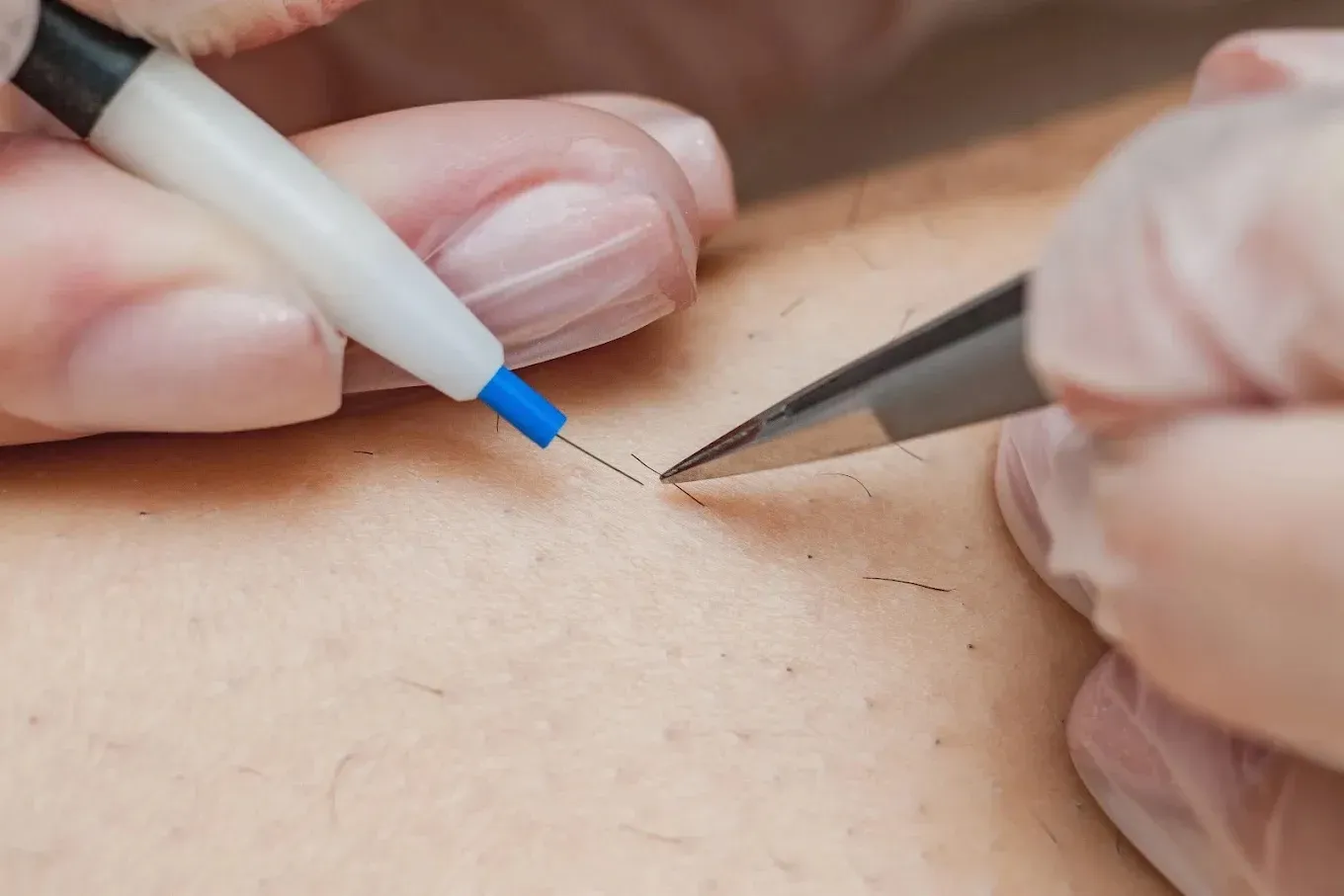
Electrolysis uses an electric current to disable the hair follicle and prevent future hair growth. It is effective across all skin types, including sensitive dark skin, because the treatment focuses on the follicle while sparing surrounding tissue. The primary advantage is durable results, which makes electrolysis a preferred option for clients seeking permanent hair removal.
Principles of Electrolysis as a Permanent Hair Removal Method
Treatment delivers a precise electrical charge into the follicle to disrupt its ability to produce hair. Common modalities include galvanic, thermolysis, and the blend method. Each operates by a distinct mechanism, and when applied correctly they are considered safe and effective. Selection of technique depends on hair texture, follicle characteristics, and the client’s skin sensitivity to ensure a customised approach.
Why Electrolysis Is Suitable for All Skin Types Including Dark and Sensitive Skin
Because electrolysis treats the follicle directly rather than targeting skin pigment, it is suitable for dark and sensitive skin tones. The method reduces the risk of hyperpigmentation and scarring that can occur with some other modalities. Certified practitioners can adjust the electrical settings and technique to match individual skin sensitivity, enhancing both safety and efficacy.
Is Electrolysis Safe for Dark and Sensitive Skin?
Electrolysis is considered safe for dark and sensitive skin when performed by a certified professional. As with any procedure, there are potential side effects that clients should understand before beginning treatment.
Common Side Effects of Electrolysis on Dark Skin
Typical temporary effects include localized redness, mild swelling, and transient discomfort at the treatment site. These responses usually resolve within hours to a few days. In rare instances, improper technique may cause blistering or scarring. A consultation with a qualified technician helps identify and mitigate those risks.
How Certified Professionals Ensure Safety and Minimize Risks
Certified practitioners follow strict safety protocols to protect client well‑being. This includes using approved equipment, maintaining a sterile treatment area, and providing clear aftercare instructions. Adherence to these standards reduces the likelihood of adverse events and supports consistent outcomes for clients with dark, sensitive skin.
Which Electrolysis Techniques Are Best for Sensitive Skin?
Certain electrolysis techniques and devices are better suited to sensitive skin. Understanding these options enables clients and technicians to select an approach that balances comfort with treatment effectiveness.
Advanced Technologies Tailored for Sensitive and Dark Skin Types
Advanced modalities such as thermolysis and the blend method are frequently preferred for sensitive and dark skin. These techniques combine different energy delivery styles to increase follicle disruption while limiting discomfort. For example, the blend method couples galvanic and thermolytic actions to provide a measured and effective treatment.
Pain Management Strategies During Electrolysis Treatments
Pain management is an integral part of treatment planning for clients with sensitivity. Options include topical anaesthetics, cooling applicators, and controlled treatment pacing. Open communication with the electrologist ensures techniques are adapted to minimise discomfort during sessions.
How Should You Prepare and Care for Sensitive Dark Skin After Electrolysis?
Appropriate preparation and diligent aftercare are essential to achieve optimal results and reduce complications for sensitive dark skin.
Essential Aftercare Protocols to Promote Healing and Prevent Irritation

After an electrolysis session, follow specific aftercare measures to support healing and limit irritation. Recommended steps include:
- Cooling the Skin: Applying a cool compress can help reduce redness and swelling.
- Gentle Cleansing: Use a mild cleanser to keep the area clean without causing irritation.
- Moisturizing: Applying a gentle moisturizer can help soothe the skin and promote healing.
Managing Discomfort and Monitoring Side Effects Post-Treatment
Manage post‑treatment discomfort by monitoring the treated area for signs of infection or abnormal healing. Contact your technician if you observe increasing redness, swelling, pain, or discharge. Reintroduce skincare products gradually and follow any product restrictions provided by the clinic.
What Are the Benefits of Electrolysis for Transgender Clients with Sensitive Dark Skin?
Electrolysis provides a permanent hair removal option that can be particularly valuable for transgender clients with sensitive dark skin. It addresses persistent hair in areas that are often central to gender affirmation and delivers lasting cosmetic improvement.
Personalized Treatment Plans Addressing Unique Hair and Skin Needs
Certified electrologists develop personalised treatment plans that account for hair patterns, skin sensitivity, and individual aesthetic goals. Tailored session pacing and technique selection maximise both comfort and treatment efficacy. This clinical approach fosters a respectful and supportive environment for clients.
Testimonials and Success Stories from Transgender Clients
Many transgender clients report successful outcomes and increased confidence after completing electrolysis. These accounts commonly highlight the permanence of results and the positive effect on daily comfort and self‑presentation.
How to Schedule Your Electrolysis Consultation and Treatment in New York City?
Booking an electrolysis consultation is a clear first step toward permanent hair removal. A consultation allows assessment of needs and development of a treatment plan.
Booking Process for Free Electrolysis Consultations at Moon Electrolysis
Moon Electrolysis offers a complimentary consultation to review hair removal goals and suitability. The booking process typically includes:
- Online Booking: Visit the Moon Electrolysis website to select a convenient time for your consultation.
- Contact Options: Clients can also reach out via phone at +1 646 407 7967 for assistance with scheduling.
- Location Details: Moon Electrolysis is located at 43 W 33rd St Rm 606, New York, NY 10001, making it easily accessible for clients in the area.
What to Expect During Your Initial Electrolysis Appointment
At the initial appointment, the electrologist will conduct a full assessment of hair and skin, explain the selected electrolysis method, and discuss anticipated outcomes and risks. You will receive a personalised treatment plan and instructions for follow‑up care.
Frequently Asked Questions
1. How long does an electrolysis session typically last?
Session length depends on the treatment area and individual hair growth cycles. Typical appointments range from 15 to 60 minutes. Smaller facial areas often require shorter sessions, while larger areas require longer sessions. Discuss timing with your technician to determine an appropriate schedule for your goals.
2. How many electrolysis sessions are needed for permanent hair removal?
The total number of sessions varies with hair density, growth phase, and the area being treated. Many clients require 15 to 30 sessions to achieve their objectives. Because each session addresses hairs in different growth stages, regular treatments are necessary for effective removal. Your technician will provide a personalised estimate during consultation.
3. Can electrolysis be performed on all body areas?
Electrolysis can be performed on nearly all body areas, including the face, underarms, legs, bikini line, and back. It is particularly effective for small or sensitive zones where precision and permanence are priorities. A certified technician will confirm suitability for your specific skin type and hair characteristics.
4. What should I avoid before and after an electrolysis session?
Before and after treatment, avoid sun exposure and tanning beds and discontinue harsh skincare products that may irritate the skin. Avoid blood‑thinning medications or supplements unless approved by your physician, as these can increase the risk of bruising. After treatment, avoid hot baths, saunas, and strenuous exercise for at least 24 hours to minimise irritation.
5. Is there a risk of hyperpigmentation after electrolysis?
There is a small risk of hyperpigmentation after electrolysis, particularly if post‑treatment care is inadequate. Adhering to aftercare guidance—moisturising and avoiding sun exposure—reduces this risk. If you have concerns about pigmentation, discuss them with your technician during the consultation.
6. How does electrolysis compare to other hair removal methods?
Electrolysis differs from laser and waxing in that it is the only method approved for permanent hair removal. It works on all hair colours and skin tones because it targets individual follicles rather than relying on pigment. This follicle‑by‑follicle approach provides a precise and enduring solution for unwanted hair.
7. Can I undergo electrolysis if I have sensitive skin conditions?
If you have skin conditions such as eczema or psoriasis, consult a certified technician before undergoing electrolysis. Many individuals with sensitive conditions can be treated safely after a thorough assessment. Your technician may recommend adjusted techniques or specific aftercare to minimise the risk of irritation during and after the procedure.
Conclusion
Electrolysis is a safe and effective permanent hair removal option for individuals with sensitive dark skin when performed by certified professionals and supported by appropriate aftercare. The method reduces the risk of irritation and pigment changes while delivering lasting results tailored to individual needs. To determine whether electrolysis is suitable for you, consider scheduling a consultation at Moon Electrolysis. A professional assessment and a personalised treatment plan are the first steps toward achieving your desired aesthetic.