Your First Electrolysis Appointment: Expert Guidance for a Smooth and Effective Hair Removal Experience

Preparing for your first electrolysis appointment can feel stressful. Electrolysis uses a controlled electrical current to disable individual follicles and produce permanent hair reduction. This guide covers practical preparation, what happens during treatment, aftercare essentials, and typical results so you can proceed with confidence.
Electrolysis works by permanently disabling individual hair follicles to deliver lasting hair removal.
Electrolysis: Permanent Hair Follicle Destruction Explained
The treatment produces localized inflammation and targeted destruction of the pilosebaceous follicle, resulting in obliteration of the hair-producing tissue when correctly performed.
Electrolysis and its Therapeutical Applications
Preparation
Simple preparation reduces discomfort and helps outcomes. Follow these professional recommendations before your first appointment.
- Avoid Irritating Products: Stop exfoliants, retinoids, or harsh cleansers 24–72 hours before your appointment to lower sensitivity.
- Stay Hydrated: Drink enough water in the days before your session to support healthy skin.
- Consultation: Tell the electrologist about medications, skin concerns, and goals so they can tailor the plan.
For scheduling and specialist guidance, Moon Electrolysis offers permanent hair removal services and preparation advice.
During the Procedure
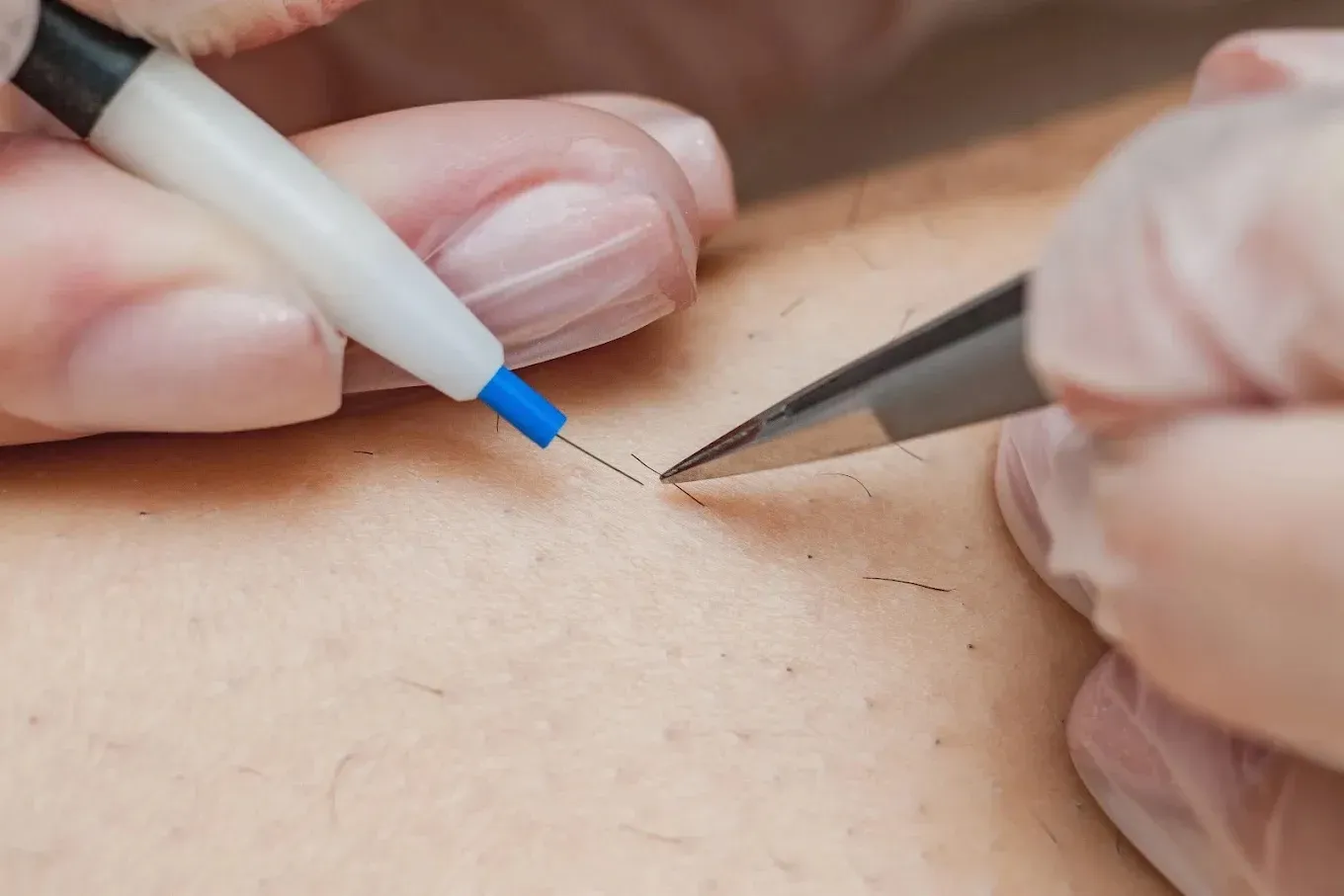
Your appointment starts with a focused consultation and skin/hair assessment to estimate sessions required. A fine probe delivers a measured electrical current to each follicle; you may feel a brief pinch or tingling.
The targeted application of current allows controlled follicle destruction while protecting surrounding tissue.
Electrolysis Procedure: How Electrical Current Destroys Hair Follicles
During electrolysis a direct electric current is conducted through a needle inserted into the follicle. This delivers focused energy to the follicle, producing the intended tissue effect while limiting impact on adjacent skin.
Electrolysis: observations from 13 years and 140,000 hours of experience, 1995
Your electrologist will explain each step and offer comfort measures; professional technique keeps the procedure safe and efficient.
Aftercare
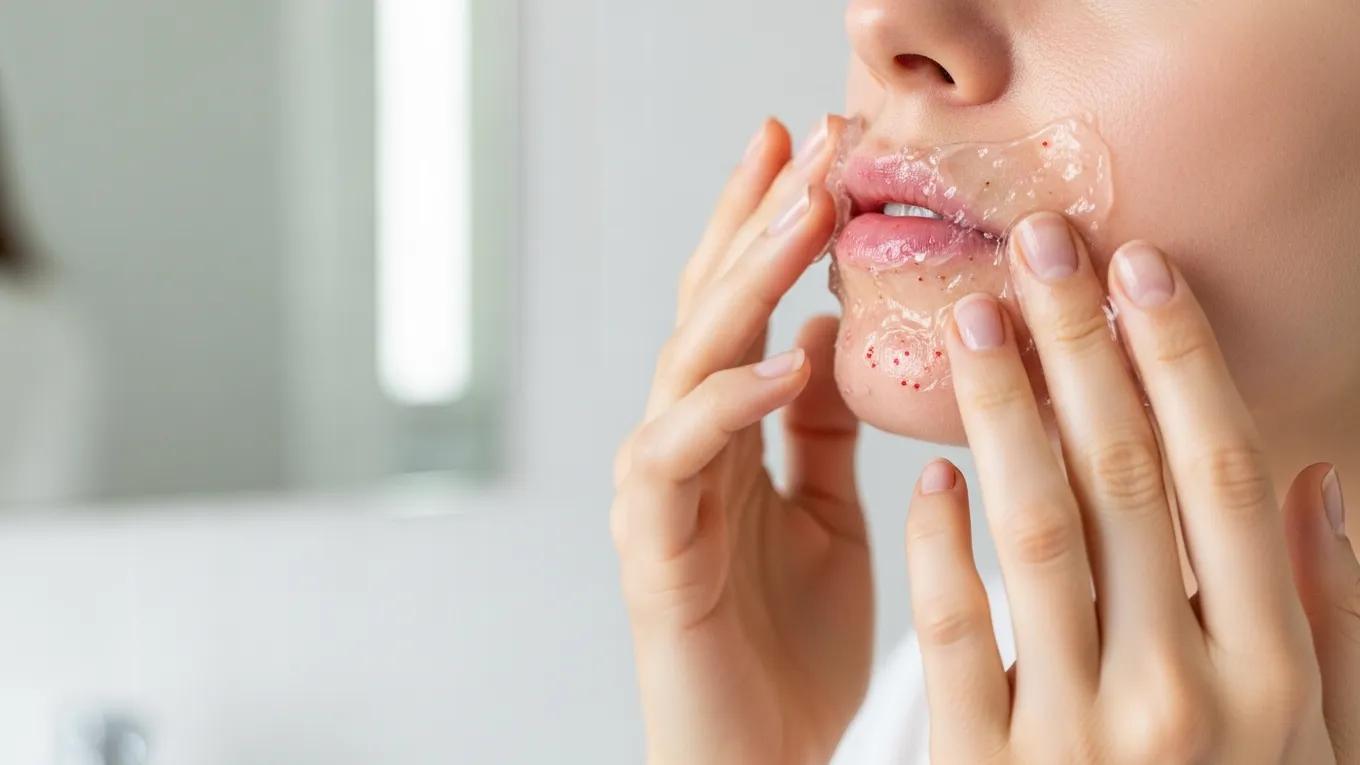
Aftercare reduces irritation and supports healing. Use the simple measures below to protect treated skin.
- Avoid Sun Exposure: Limit sun and tanning for at least 24 hours to lower pigmentation risk.
- Keep the Area Clean: Gently cleanse and avoid hot baths, saunas, and strenuous exercise for 24 hours.
- Moisturize: Apply soothing creams or aloe vera to calm the skin and aid recovery.
Following these steps helps ensure optimal healing and session effectiveness.
Expected Outcomes
Many clients see substantial hair reduction after a course of treatments—commonly 15–30 sessions depending on hair density, area, and growth cycles. Temporary redness or swelling is normal and usually resolves within hours to days.
Electrolysis is a reliable, permanent hair removal option for all skin types and is especially effective in hormonally sensitive areas.
Electrolysis Efficacy: Permanent Hair Removal for All Skin Types
Electrolysis has demonstrated superior long-term efficacy for permanent hair removal, particularly in hormonally sensitive facial areas across skin types. While laser treatments have been associated with paradoxical hair growth in some PCOS cases, electrolysis—although requiring more sessions—can provide a more reliable and ultimately permanent solution.
Clinical efficacy of Electrolysis and Laser Hair Removal in PCOS patients, 2025
Booking a consultation with Moon Electrolysis will set realistic timelines and expected outcomes for your plan.
What Should You Know Before Your First Electrolysis Session?
Before your first session, follow a few practical points to optimise safety and results.
- Avoid Waxing or Plucking: Leave follicles intact for at least four weeks before treatment.
- Arrive with Clean Skin: Come with the area free of lotions or creams.
- Discuss Medications and Conditions: Disclose medical history so settings and technique can be adjusted.
These steps help ensure a smooth, effective treatment experience.
What Happens During Your First Electrolysis Treatment?
The electrologist conducts a consultation and assessment, then inserts a fine probe into each follicle to deliver controlled current that disables hair production. Sessions typically last 15–60 minutes depending on the area.
Knowing this sequence—assessment, treatment, immediate aftercare—helps you arrive prepared and reassured.
Step-by-Step Overview of the Electrolysis Hair Removal Process
The process follows a clear protocol to promote safety and consistent results.
- Preparation: Avoid irritating products, stay hydrated, and arrive with clean skin.
- Treatment Phases: Consultation, test treatment, then full electrolysis procedure.
- Aftercare: Protect from sun, keep clean, and watch for side effects.
This structured approach supports better clinical outcomes from your sessions.
What Pain Levels Can You Expect During Electrolysis?
Most clients report a brief pinch or tingling. Pain varies with sensitivity, area treated, and practitioner technique. Discuss comfort options with your electrologist beforehand.
How to Manage Comfort and Care After Your Electrolysis Session?
Immediate measures improve comfort and recovery:
- Cooling the Skin: Apply a cool compress for redness and swelling.
- Gentle Cleansing and Moisturizing: Use a mild, fragrance-free cleanser and soothing moisturizer.
- Monitoring for Side Effects: Report prolonged or unusual reactions to your electrologist.
These practical steps aid recovery and maintain treatment effectiveness.
What Are Essential Electrolysis Aftercare Instructions?
Essential principles are protection and gentle care:
- Avoid Sun Exposure: Protect treated skin from direct sunlight for at least 24 hours.
- Keep the Area Clean: Use mild products and avoid harsh ingredients.
- Consultation for Persistent Issues: Contact your electrologist if swelling or signs of infection continue.
Following these guidelines preserves skin health and supports lasting results.
How to Effectively Manage Pain and Promote Healing Post-Treatment
To manage discomfort and support healing, apply these straightforward practices:
- Cooling the Skin: Use cool compresses to reduce inflammation.
- Moisturizing: Apply a gentle, non-irritating moisturizer to soothe and hydrate.
- Avoiding Irritants: Skip hot baths, saunas, and heavy exercise for 24–48 hours.
Consistent care will improve comfort and speed recovery.
For specialised care, Moon Electrolysis offers tailored services for transgender clients, delivered with respect and clinical expertise.
Frequently Asked Questions
What should I wear to my electrolysis appointment?
Wear loose, comfortable clothing that allows easy access to the treatment area. For facial work, a button-up or adjustable top is practical. Ensure the area is clean and lotion-free.
How long does each electrolysis session typically last?
Session length depends on area and hair density; expect 15–60 minutes. Smaller zones (upper lip) take less time than larger areas (legs, back). Your electrologist will estimate based on your plan.
Can electrolysis be performed on all skin types and hair colors?
Yes. Electrolysis targets follicles directly and is effective regardless of hair colour or skin type, making it suitable for a wide range of clients, including hormonally sensitive skin.
How many sessions will I need for effective hair removal?
The number of sessions depends on hair cycles, area, and density. Many clients require 15–30 treatments; your electrologist will provide a personalised schedule after assessment.
What are the potential side effects of electrolysis?
Common effects are temporary redness, slight swelling, or mild discomfort, usually resolving in hours to days. Rarely blistering or scabbing can occur—follow aftercare and consult your electrologist for persistent issues.
Is electrolysis safe for sensitive skin?
Generally yes, though responses vary. Inform your electrologist about sensitivities or conditions so they can adapt technique and settings. Proper pre- and post-care reduces irritation risk.
Can I undergo electrolysis if I have certain medical conditions?
Many people with medical conditions can have electrolysis, but individual assessment is essential. Disclose conditions such as diabetes or skin disorders during consultation so the safest approach can be recommended.
Conclusion
Careful preparation, skilled technique, and appropriate aftercare improve safety and outcomes for your first electrolysis appointment. For personalised guidance and to arrange a consultation, visit Moon Electrolysis. Expert support is available at every stage of your hair removal journey.