Understanding the Effectiveness of Electrolysis for Permanent Hair Removal in Transgender Individuals in NYC

Electrolysis is an established, FDA-recognized method for permanent hair removal commonly used in gender-affirming care. This article summarizes effectiveness, safety, likely side effects, accessibility in New York City, and cost so readers can make informed decisions.
Effectiveness
Electrolysis destroys individual hair follicles with a controlled electrical current, producing permanent reduction across hair types and colors. Results appear gradually and improve with multiple sessions scheduled to match hair growth cycles.
Safety
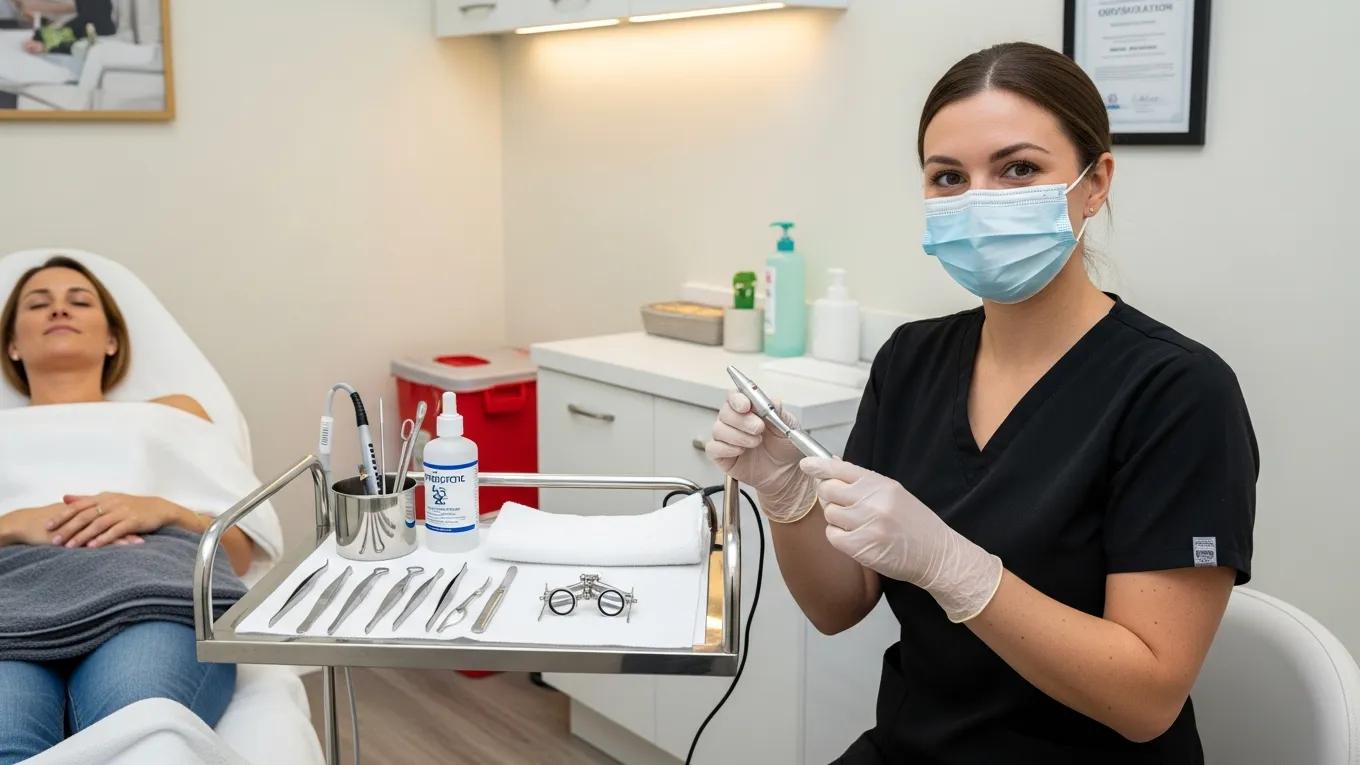
When performed by trained electrologists following hygiene and safety protocols, electrolysis is safe. Mild, short-lived effects such as redness or minor swelling are common. Practitioners tailor care to reduce discomfort and support healing.
A supportive clinical environment, clear pre-treatment guidance, and available topical anesthetics help clients manage sessions comfortably.
Potential Side Effects
Electrolysis is generally well tolerated, but clients should expect some temporary reactions and follow aftercare instructions to reduce them.
- Redness : Brief redness at the treatment site, usually resolving within hours.
- Swelling : Mild swelling may occur and typically subsides quickly.
- Discomfort : Some sensation during treatment; topical anesthetics or breaks can help.
Proper aftercare—cleaning, gentle moisturization, and sun protection—promotes healing and optimal results.
Accessibility
Access to competent electrolysis services matters for transgender clients seeking permanent hair removal. Moon Electrolysis offers specialized care and free consultations so clients can discuss needs and options before committing.
Flexible scheduling and clear communication about costs and expectations make treatment more accessible throughout a client’s gender-affirming journey.
Broad access to electrolysis is important, though challenges in coverage and availability can sometimes arise.
Electrolysis Access for Transgender Care in NYC
Mount Sinai Hospital in New York City reports that American surgeons provide competent, efficient, and effective transgender health care. Consideration of coverage for electrolysis procedures for trans women has been discussed in the literature.
A capable surgeon and a willing electrologist: Challenges to the expansion of transgender surgical care in the United States, E Plemons, 2019
Cost Considerations
Session fees in NYC vary by area and length, commonly ranging from about $30 to $300. Insurance policies differ; verify coverage and ask your provider about possible reimbursement before beginning treatment.
Because electrolysis is permanent, it may be more cost-effective than repeated temporary methods. Discuss pricing, payment plans, and any package options during your consultation at Moon Electrolysis .
| Service | Price | Description |
|---|---|---|
| Facial Electrolysis | $30 – $150 | Targeted treatment for facial hair removal. |
| Body Electrolysis | $50 – $300 | Comprehensive treatment for larger areas of the body. |
| Consultation | Free | Initial assessment to discuss treatment options. |
The table summarizes common services, price ranges, and brief descriptions to clarify options at the clinic.
How Does Electrolysis Work for Permanent Hair Removal in Transgender Clients?
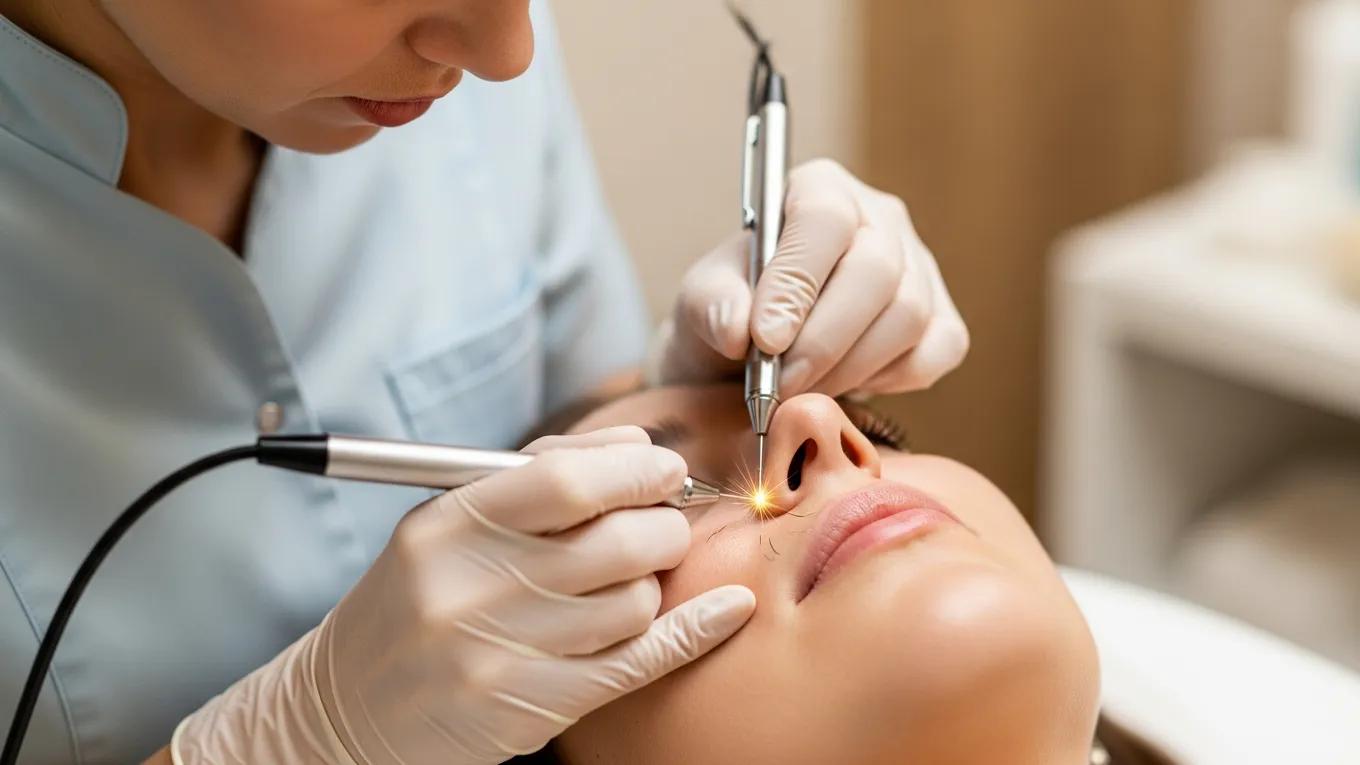
Treatment starts with an assessment and personalized plan. A fine probe is inserted into each follicle and a brief electrical current disables its ability to regrow hair. Because hairs cycle, multiple sessions are scheduled to treat hairs in active growth phases.
What Is the Electrolysis Procedure and Its Mechanism?
The procedure follows straightforward, repeatable steps:
- Consultation : Review goals and create a treatment plan.
- Cleaning : The area is cleansed prior to treatment.
- Treatment : A fine probe delivers a controlled electrical current to each follicle.
Practitioners may adjust technique, session length, and intervals to improve effectiveness. Permanent hair removal typically requires a series of sessions.
Why Is Electrolysis Suitable for Transgender Hair Removal Needs?
Electrolysis works well for hormonally influenced hair and for lighter hair colors that respond poorly to some lasers. It can reduce unwanted hair that contributes to gender dysphoria and supports long-term alignment with a client’s presentation.
Despite these benefits, barriers such as cost, limited provider expertise, and anxiety can complicate access to electrolysis or laser hair removal.
Barriers to Electrolysis & LHR in Transgender Gender-Affirming Care
In trans women receiving vaginoplasty, laser hair removal (LHR) has been used effectively for preprocedural hair removal, and preliminary studies have compared its efficacy to electrolysis. Limited evidence suggests that adequate hair removal may contribute to improved psychosocial outcomes. Cost, lack of provider expertise, and anxiety remain recognized barriers to care for both LHR and electrolysis.
Laser hair removal in gender-affirming care: applications and barriers in transgender and gender-diverse populations, 2025
What Are the Effectiveness and Safety Considerations of Electrolysis for Transgender Individuals?
With qualified electrologists and adherence to safety protocols, electrolysis is both effective and safe for transgender clients. Individualized care promotes healing, reduces risk, and supports reliable outcomes.
How Effective Is Electrolysis Compared to Other Hair Removal Methods?
Electrolysis delivers permanent results and works on all hair colors. Laser hair removal can be faster on large areas but is often less effective on lighter hairs. Choice depends on area, hair type, timeline, and personal preference.
In some preoperative settings, laser hair removal can be more efficient and less painful, but electrolysis remains a primary option for permanent hair elimination where lasers are limited.
Electrolysis vs. Laser Hair Removal for Gender-Affirming Vaginoplasty
Findings indicate that LHR is associated with increased efficiency and decreased pain compared to electrolysis, corroborating prior comparison studies on non-genital hair.
Comparison of permanent hair removal procedures before gender-affirming vaginoplasty: why we should consider laser hair removal as a first-line treatment for …, 2022
What Are the Safety Measures and Side Effects for Transgender Clients?
Qualified practitioners follow strict protocols, explain pre- and post-care, and monitor healing. Common side effects—redness and swelling—are usually brief; practitioners provide guidance to minimise risks.
How Long Does Electrolysis Treatment Take for Permanent Results in Transgender Clients?
Session length varies by area and need, commonly from 15 minutes to an hour. Complete removal requires multiple sessions over months to years depending on density and growth cycles; treatment plans are individualized.
What Is the Typical Number of Sessions Required?
Many clients see optimal results after a series of sessions (often a range of sessions depending on density). Exact needs vary; your electrologist will estimate a plan during consultation.
How Is Treatment Duration Planned for Individual Needs?
Schedules are tailored: session length, interval, and total number depend on hair growth patterns, treated area, and client availability. Flexibility helps fit care into daily life while maintaining progress.
Why Choose Moon Electrolysis in NYC for Transgender Permanent Hair Removal?
Moon Electrolysis focuses on transgender clients and offers experienced, certified electrologists. The clinic emphasizes respectful care, individualized plans, and measurable outcomes.
What Expertise and Certifications Do Our Practitioners Hold?
Practitioners at Moon Electrolysis are certified electrologists who maintain continuing education and follow best-practice safety and hygiene standards to ensure consistent, professional care.
How Can Clients Schedule a Free Consultation and Book Treatments?
Clients can schedule a free consultation by calling +1 646 407 7967 or visiting the clinic at 43 W 33rd St, Room 606, New York, NY 10001. The initial meeting reviews goals, explains options, and clarifies costs without obligation.
Frequently Asked Questions
What should I expect during my first electrolysis session?
Expect a consultation, cleaning of the area, and short treatment using a fine probe. Mild discomfort is possible but manageable; sessions vary from brief spot work to longer sessions for larger areas.
Are there any specific aftercare instructions I should follow post-treatment?
Follow your practitioner’s directions: keep the area clean, avoid direct sun and hot baths for 24 hours, and apply recommended soothing products to support healing.
How does electrolysis compare to laser hair removal for transgender individuals?
Electrolysis is the most reliable permanent option and works on all hair colors. Laser can be quicker for large areas and effective on dark hair; choice depends on hair color, area, and timeline.
Can electrolysis be performed on all skin types?
Yes. Electrolysis is effective across skin tones and hair colors when delivered by a trained electrologist who adapts technique to the client’s needs.
What qualifications should I look for in an electrologist?
Seek a certified electrologist with formal training, clear safety practices, and experience treating transgender clients. Testimonials and a transparent consultation process help evaluate fit.
Is electrolysis covered by insurance for transgender individuals?
Coverage varies by insurer and policy. Some plans may reimburse electrolysis as gender-affirming care; confirm with your provider and discuss finances during consultation.
How can I ensure a comfortable experience during my electrolysis sessions?
Communicate sensitivities with your practitioner, follow pre-treatment guidance, and request topical anesthetics if needed. Good communication and aftercare improve comfort and outcomes.
Conclusion
Electrolysis is a dependable option for permanent hair removal and is widely used in transgender care for its effectiveness across hair types. Consult with a certified electrologist to receive a tailored plan, learn about costs and scheduling, and begin care that supports your goals.