
Electrolysis is a precise, permanent hair‑removal method commonly used on tattooed areas because it treats individual follicles. Before treatment, prospective clients should know the typical reactions, risk factors, and basic aftercare so they can make an informed decision and understand what to expect.
Side Effects
Typical side effects are usually temporary and vary by person and treated area. Common reactions include:
- Temporary Redness: Immediate but short‑lived redness as skin responds to treatment.
- Swelling: Mild swelling that usually subsides within hours.
- Minor Irritation: A sunburn‑like feeling that resolves quickly.
- Discomfort: Some sensitivity during and after the session; intensity varies.
Risk Factors
Electrolysis is generally safe, but certain factors raise the chance or severity of side effects on tattooed skin. Know these to manage risk:
- Heightened Skin Sensitivity: Tattooed skin may react more strongly to electrical treatments.
- Post‑Inflammatory Hyperpigmentation: Darkening can occur, especially in skin prone to pigmentation changes.
- Infection Risk: Any skin‑piercing procedure carries infection risk if aftercare or hygiene is inadequate.
Physical Health Risks of Electrolysis and Body Art Procedures
Procedures that pierce the skin—including tattooing, semi-permanent make-up, body piercing, acupuncture, and electrolysis—carry a potential risk of infection and other complications. This review summarises the current evidence on the principal physical health risks associated with these procedures.A rapid review of physical health risks associated with special procedures (tattooing, body piercing, acupuncture, electrolysis), M Kiseleva, 2023
Because of these risks, follow professional guidance during treatment and recovery to reduce complications.
Duration of Effects
Most reactions—redness, swelling, mild irritation—settle within hours to a few days. If symptoms worsen or persist, contact your electrologist so they can reassess and advise on care. Following aftercare instructions reduces the chance of prolonged reactions.
Recommendations for Post-Treatment Care
Good aftercare supports healing and lowers complication risk. Core steps:
- Keep the Area Clean: Gently cleanse to remove debris and reduce infection risk.
- Moisturize: Use a gentle moisturizer to soothe and aid repair.
- Avoid Sun Exposure: Protect treated skin from UV to limit irritation and pigmentation changes.
Following these basic steps helps the skin recover predictably.
Complications and Risks in Body Modifying Procedures
All body‑modifying methods can lead to complications depending on the conditions in which the procedures are performed, the practitioners training and skill, the materials used, and the aftercare provided. Poor hygienic standards can result in localized infections and, in severe cases, more serious or irreversible harm.Procedure of tattooing, 2018
Research confirms that skilled practice, good hygiene, and clear aftercare are key to preventing complications.
What Are the Common Side Effects of Electrolysis on Tattooed Skin?
Transient redness and swelling are common; minor irritation typically fades quickly. Discuss any concerns with your electrologist before or during treatment.
What is the likelihood of scarring and permanent skin changes?
Scarring is uncommon when a trained professional performs electrolysis and clients follow aftercare. Report unusual responses promptly so the provider can adjust care.
How Does Electrolysis Work for Permanent Tattoo Hair Removal?
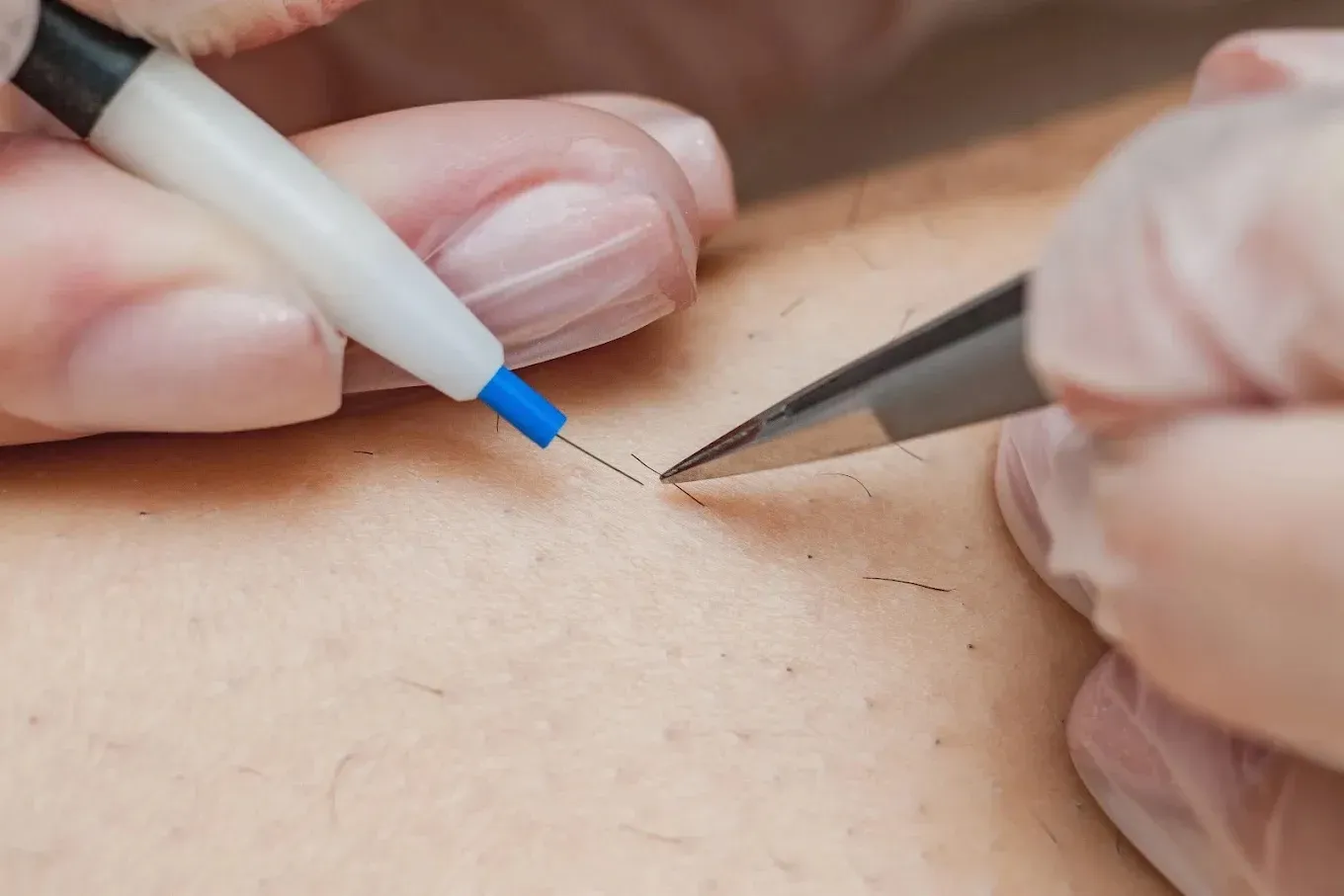
Electrolysis inserts a fine probe into each follicle and applies a small electric current to destroy the root, preventing regrowth. It works across hair types and, when done correctly, is a reliable option for tattooed or sensitive skin.
Electrolysis vs. Laser Hair Removal: Efficacy and Risks
For individuals seeking a long‑term solution for excessive body hair, electrolysis and laser hair removal are among the most effective options. Traditional methods such as shaving or waxing are temporary and repetitive, while electrolysis and laser offer longer‑lasting results. It is important to recognise that both electrolysis and laser carry procedure‑specific risks that should be evaluated prior to treatment.Electrolysis vs Laser Hair Removal: What Works Best for Your Skin & Hair?
Balance expected benefits with an understanding of risks and discuss options with a qualified provider.
What is the electrolysis procedure for tattooed skin?
Treatment generally follows: consultation, preparation (cleaning and sanitizing), then careful probe application to targeted follicles. Each step is meant to maximise safety and outcome.
- Consultation: Assess skin sensitivity and discuss concerns.
- Preparation: Clean and sanitize the area.
- Electric Current Application: Probe is applied to individual follicles by the electrologist.
Well‑executed steps by a trained electrologist reduce risk and improve results.
What technologies and safety measures ensure effective treatment?
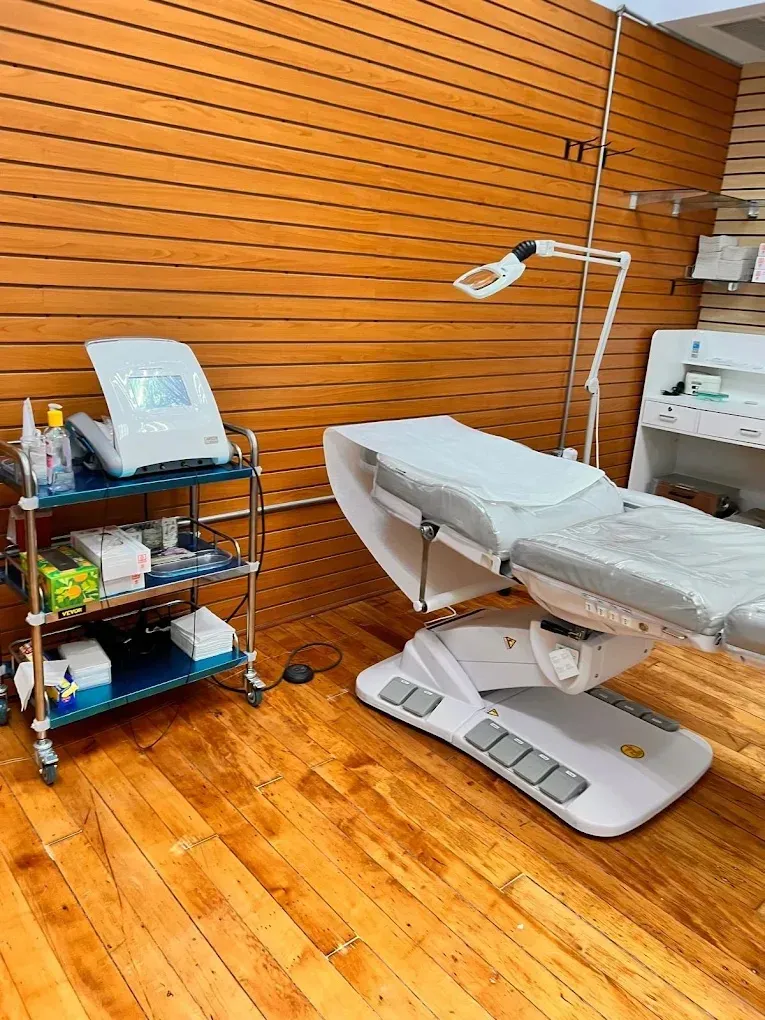
Modern devices offer precision targeting to limit tissue impact. Qualified electrologists use up‑to‑date equipment and strict safety protocols to protect skin, especially on tattooed areas.
What Are the Recommended Aftercare Practices to Minimize Side Effects?
Beyond cleansing and moisturizing, these practical steps support recovery:
- Avoid Scratching: Dont pick or scratch the area to prevent irritation or infection.
- Humidity Control: Keep the skin environment gentle and avoid extremes that can slow healing.
- Monitor for Unusual Reactions: Contact your electrologist if you notice unexpected changes.
Consistent aftercare helps a smoother recovery.
Which steps promote healing and reduce irritation after treatment?
Gently cleanse, apply a suitable moisturizer, and avoid friction from clothing. These reduce inflammation and the chance of complications.
How should clients monitor their skins recovery?
Check the treated area daily for excessive swelling, rising pain, discharge, or spreading redness. Report worsening signs promptly for timely assessment and intervention.
When Should You Book a Consultation to Discuss Electrolysis Side Effects?
Book a consultation if side effects last longer than expected or if you have concerns about how your skin is responding. Pre‑treatment assessments help tailor the approach to your skin.
Why are free consultations at Moon Electrolysis important?
Free consultations at Moon Electrolysis let you get a personalised treatment plan based on skin type and concerns without obligation, helping you make an informed choice.
How can clients prepare questions about risks and expectations?
Review the basics beforehand and note questions about risks, likely outcomes, and aftercare. Share any prior skin reactions or medical history so the electrologist can give tailored advice.
Frequently Asked Questions
What qualifications should I look for in an electrologist?
Confirm appropriate licensure and certification, experience with tattooed skin, training in sterile technique, and positive client feedback.
How many sessions are typically required for electrolysis?
Sessions depend on hair density and thickness; multiple treatments are usually needed to target different growth cycles. A consultation provides a personalised estimate.
Are the side effects of electrolysis different for different skin types?
Yes. Sensitive or acne‑prone skin may show stronger redness or swelling, and some skin types are more prone to hyperpigmentation. Disclose your skin history for tailored aftercare.
Can I undergo electrolysis treatment if I have a tattoo in the area?
Often yes, but suitability is assessed at consultation. Tell your electrologist about the tattoos age, ink type, and placement so they can plan appropriately.
How long does each electrolysis session typically last?
Session length varies with the treatment area; typical appointments run from about 15 to 60 minutes depending on how many follicles are treated.
What should I do if I notice unusual symptoms post-treatment?
If you have excessive swelling, persistent pain, pus, or increasing redness, contact your electrologist or a healthcare professional promptly for assessment.
Conclusion
When performed by trained professionals, electrolysis offers precise, lasting hair removal on tattooed skin. Understanding common side effects and following recommended aftercare reduces risk and supports healing. For personalised guidance, contact a qualified electrologist to plan a safe treatment course.