
Electrolysis is a reliable option for removing unwanted hair from tattooed skin. This guide outlines how the treatment works, why it is often chosen over alternatives for tattooed areas, and what clients should expect. It focuses on practical information about mechanics, benefits, method comparisons, and treatment logistics.
How Electrolysis Works
Electrolysis permanently removes hair by disabling the hair follicle with an electrical current delivered via a fine probe. When performed correctly by a trained electrologist, it is a safe choice for treating hair on tattooed skin.
Benefits of Electrolysis for Tattoo Hair Removal
Electrolysis is commonly preferred for tattooed areas because it targets follicles directly and can be used across skin tones and hair colors. Key benefits include:
- Safety on Tattooed Skin: Targets follicles without directly affecting tattoo pigment.
- Permanent Results: Destroyed follicles do not regrow hair.
- Versatile: Effective on all skin types and hair colors.
At Moon Electrolysis we offer free consultations to discuss options for electrolysis tattoo hair removal.
Comparison with Other Techniques
Electrolysis offers permanent removal without relying on pigment, while lasers depend on pigment and can risk pigment changes in tattoos. Temporary methods provide short-term results and require repeated maintenance.
| Method | Effectiveness | Safety |
|---|---|---|
| Electrolysis | Permanent, reliable | Safe for tattooed skin |
| Laser Hair Removal | Effective for darker hair | Can affect tattoo pigment |
| Temporary Methods | Quick relief, repeat sessions | Low risk |
Because lasers can alter tattoo pigment, electrolysis is often the safer permanent alternative for tattooed areas.
Electrolysis vs. Laser Hair Removal: Choosing Your Permanent Solution
When comparing long-term hair removal options, electrolysis and laser are among the most effective. For individuals seeking a permanent solution for excessive body hair, electrolysis provides a method that targets follicles individually and does not rely on pigment.1Olsen EA. Methods of hair removal.J Am Acad Dermatol. 1999;40(2 Pt 1):143–155. Electrolysis vs Laser Hair Removal: What Works Best for Your Skin & Hair?
Advanced Electrolysis Techniques
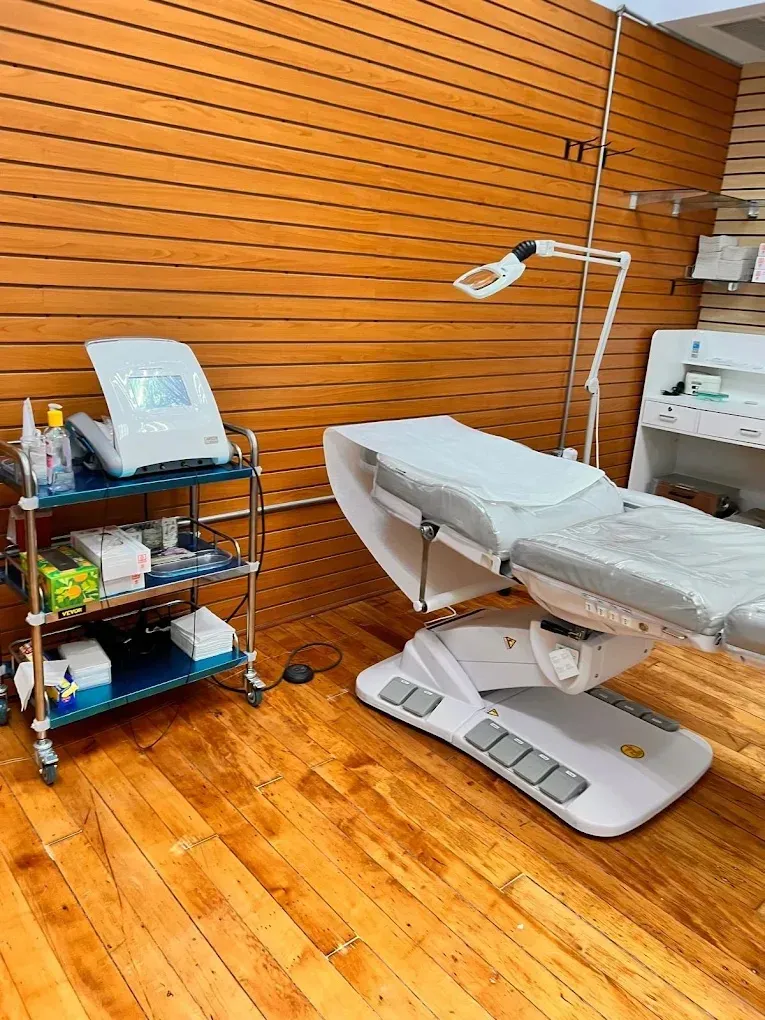
Electrologists use several techniques to match hair type and client comfort:
- Thermolysis: High-frequency current heats and disables the follicle.
- Galvanic: Direct current produces a chemical reaction to destroy the follicle.
- Blend: Combines both methods for efficiency and speed.
These options let practitioners tailor treatment to skin sensitivity and hair characteristics.
How Does Electrolysis Safely Remove Hair on Tattooed Skin?
When performed precisely, electrolysis targets follicles beneath the ink layer without disturbing tattoo pigment. Careful probe placement and conservative settings minimise discomfort and protect the tattoo.
How Electrolysis Works on Tattooed Skin
Electrolysis treats each follicle individually with controlled insertion and current, avoiding the tattoo ink layer and reducing pigment risk.
Techniques Used
Practitioners often use gentler settings and deliberate probe placement on tattooed areas. Sessions are monitored for safety and effectiveness.
Safety Measures
Strict hygiene, sterilised tools, and pre- and post-care instructions reduce infection risk and support healing while preserving tattoo appearance.
Potential Effects on Tattoos
With correct technique, electrolysis rarely causes tattoo fading or damage. Most clients see effective hair removal without compromising the tattoo.
What Makes Electrolysis the Preferred Method for Tattooed Skin?
Electrolysis destroys follicles directly and works regardless of hair pigment, lowering the risk to tattoo ink versus pigment-dependent methods.
How Is Electrolysis Customized for Permanent Tattoo Hair Removal?

Treatments are planned based on tattoo placement, skin sensitivity, and hair type. A consultation determines settings, session length, and aftercare.
What Are The Best Electrolysis Methods for Tattoo Hair Removal?
Choice of thermolysis, galvanic, or blend is based on hair type and client goals. A thorough assessment identifies the most suitable approach.
How Do Electrolysis Methods Compare to Laser for Tattoo Hair Removal?
Electrolysis gives permanent results independent of hair color. Laser may be effective for some hair types but can underperform on light hair and risks pigment changes in tattoos.
What Should Clients Expect During Electrolysis Sessions for Tattooed Skin?
Expect an assessment, treatment in a sterile environment, and follow-up to monitor healing and progress.
- Initial Consultation: Review process and outcomes.
- Comfort and Safety: Treatment in a sterile, tailored setting.
- Follow-Up: Regular checks to track results.
How Many Electrolysis Treatments Are Needed for Permanent Results?
Complete removal typically requires multiple sessions. The total depends on hair density and growth cycles; treatments are spaced over months for thorough results.
What Is the Pain Level and Safety Protocol During Electrolysis on Tattooed Areas?
Pain is usually mild and varies by individual. Topical anesthetics or cooling gels can improve comfort. Practitioners maintain strict safety protocols throughout treatment.
How Can Interested Clients Schedule Electrolysis Consultations and Understand Costs in NYC?
Schedule a consultation with Moon Electrolysis at 43 W 33rd St Rm 606, New York, NY 10001. The consultation reviews treatment plans and costs so you can decide with confidence.
What Does a Free Consultation for Electrolysis Tattoo Hair Removal Include?
The free consultation includes a personalised assessment, technique overview, and discussion of expected outcomes and safety precautions for tattooed skin.
What Are Typical Electrolysis Hair Removal Costs for Tattooed Skin in New York City?
Session costs depend on time and treatment area. Typical per-session fees range from $75 to $150, reflecting the lasting nature of the treatment versus temporary options.
Frequently Asked Questions
1. How long do electrolysis sessions usually take?
Sessions commonly run 15–60 minutes depending on area and hair density. Your electrologist will estimate time based on your plan.
2. Are there any side effects associated with electrolysis?
Short-term redness, swelling or mild tingling are common. Rarely, small blisters or scabs occur. Following aftercare reduces complication risk.
3. Can electrolysis be performed on all skin types?
Yes. Electrolysis works on all skin types and hair colors because it targets follicles directly, making it suitable for tattooed skin.
4. How often should electrolysis sessions be scheduled?
Appointments are typically every 1–4 weeks, timed to hair growth cycles. Your practitioner will recommend the best interval.
5. Is electrolysis painful, and what can be done for discomfort?
Pain varies; many report a mild pinch. Topical numbing agents or cooling gels are available to increase comfort.
6. How do I prepare for my electrolysis appointment?
Avoid waxing, plucking, or depilatories for 4–6 weeks before your session. Come with clean skin and disclose medications or sensitivities at consultation.
7. Can I have electrolysis done in conjunction with other beauty treatments?
Often yes, but coordinate timing with your practitioner. Allow about one week between treatments to reduce irritation risk.
Conclusion
Electrolysis is an effective, permanent hair removal method for tattooed skin when performed by trained professionals. Schedule a free consultation to discuss personalised options and treatment plans at Moon Electrolysis and decide on the safest, most effective approach for your needs.