Electrolysis Hair Removal for Transgender Individuals: Understanding Permanent Hair Removal Benefits and Options in NYC

Electrolysis is an effective, permanent hair-removal method used by many transgender people to bring appearance and gender identity into alignment. This article summarizes electrolysis’ effectiveness across skin and hair types, psychological benefits, the treatment process and typical session ranges, a concise comparison with laser hair removal, and practical guidance for finding services in New York City, including consultations and safety advice.
Professional guidelines and research further underscore the importance of permanent hair removal for transgender individuals.
Permanent Hair Removal: Essential for Transgender Affirmation
Permanent hair removal is often a necessary component of gender affirmation for transgender individuals. The World Professional Association for Transgender Health Standards of Care recognise the importance of permanent hair removal.
Health insurance coverage of permanent hair removal in transgender and gender-minority patients, JK Peebles, 2020
What Are the Key Benefits of Electrolysis for Transgender Clients?

Electrolysis offers several clear benefits for transgender clients seeking permanent hair removal:
- Effectiveness: The only FDA-recognized permanent hair-removal method, electrolysis disables individual follicles.
- Safety for All Skin Types: It works across all skin tones and hair colors, making it widely applicable.
- Psychological Benefits: Many report reduced gender dysphoria and greater confidence after treatment.
These features make electrolysis a common choice for lasting results.
How Does Electrolysis Provide Permanent Hair Removal?
Electrolysis uses a controlled electric current delivered by a fine probe to destroy hair follicles and prevent regrowth. Treatments are performed over multiple sessions—commonly 15 to 40—because hair grows in cycles. Appointments usually last 15 to 60 minutes depending on the area. Aftercare (cleaning and moisturizing the treated site) speeds healing and reduces irritation.
Why Is Electrolysis Especially Suitable for Transgender Skin?
Electrolysis treats a broad range of hair types and colors and can be adapted for sensitive skin, which is helpful for people on hormone therapy. Technicians adjust settings and timing to balance effectiveness and comfort.
What Is the Electrolysis Treatment Process for Transgender Individuals?
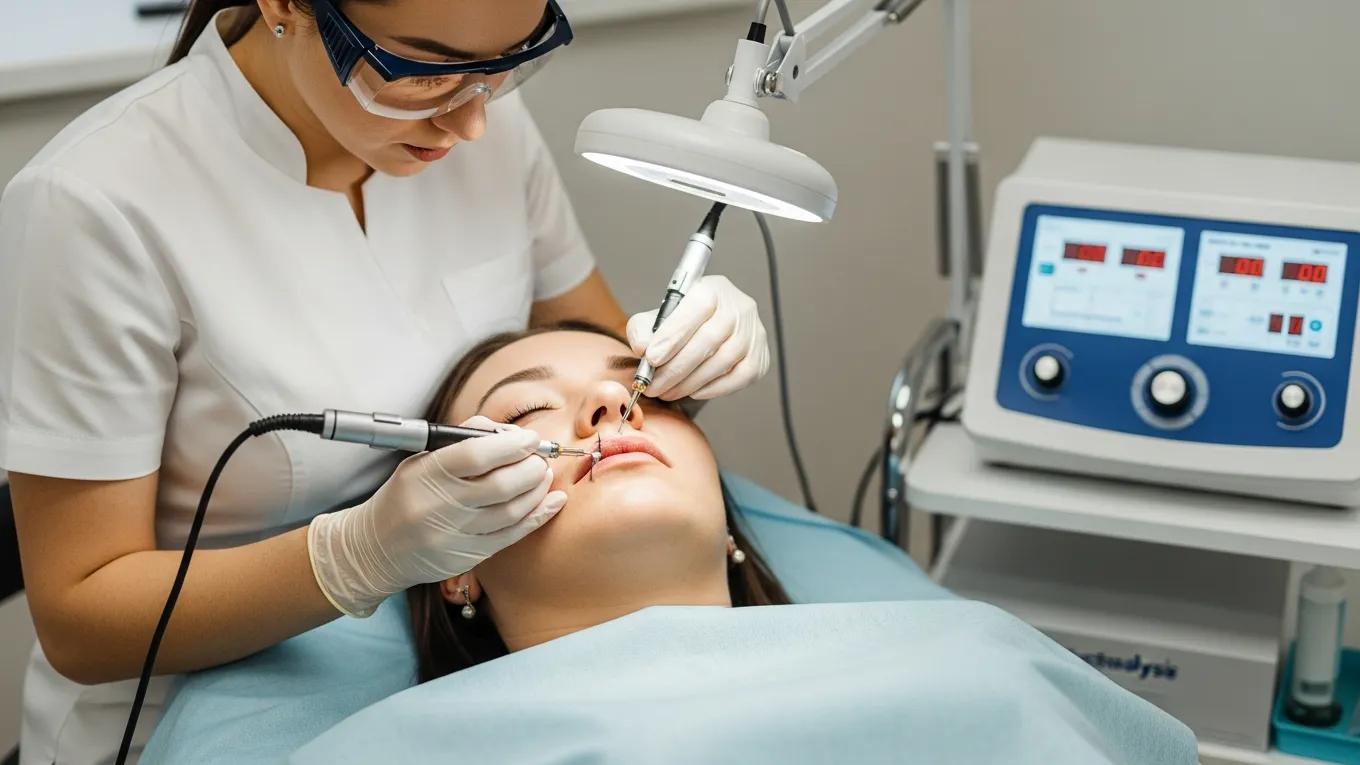
The process begins with a consultation where a trained technician evaluates hair and skin to create a personalized plan. The plan defines targeted areas, session frequency, and aftercare instructions to support healing and results.
What Steps Are Involved in Electrolysis Sessions?
Typical session steps include:
- Preparation: Avoid plucking or waxing for four to six weeks so follicles are present for treatment.
- The Procedure: A fine probe is inserted into each follicle and a brief current is applied.
- Post-Treatment Care: Keep the area clean, avoid excessive sun exposure, and follow any technician instructions.
Following these steps supports safe, effective outcomes.
How Many Sessions Are Typically Required for Permanent Results?
Most people need roughly 15 to 40 sessions, scheduled based on individual hair growth cycles (often every one to six weeks). Over time clients usually see a substantial reduction in hair and many reach their goals after completing the recommended plan.
How Does Electrolysis Compare to Laser Hair Removal for Transgender Clients?
Electrolysis and laser both reduce hair, but electrolysis works on all hair colors and skin tones; lasers can be less effective on light or gray hair and may pose risks for darker skin if not used properly. Because electrolysis is the established method for permanent removal, it is often preferred when permanence is the goal.
What Are the Advantages of Electrolysis Over Laser Hair Removal?
Key advantages include:
- Permanent Results: Electrolysis offers a true permanent option without routine maintenance.
- Safety for All Skin Types: Properly performed electrolysis is safe across skin tones.
- Suitability for Sensitive Areas: It can be used on delicate areas where lasers might be less appropriate.
These points help explain why many choose electrolysis for definitive hair removal.
Are There Specific Considerations for Transgender Skin in Both Methods?
Transgender clients should discuss skin sensitivity and facial skin care with their clinician. Facial electrolysis requires extra care due to delicate skin; clinicians evaluate hair patterns and may offer pain-management options to improve comfort during sessions.
Facial electrolysis is frequently cited as a significant factor in gender affirmation for transgender women.
Facial Electrolysis for Transgender Women: Local Effects & Passing
Many individuals rely on female hormones, which have global effects on body shape, emotional state, and sexuality, rather than on facial electrolysis, which has local effects and which may be more helpful in assisting them to pass as women than a year or two on hormones.
20
ELECTROLYSIS IN TRANSSEXUAL WOMEN, D Denny, 1998
How Can Transgender Individuals in NYC Access Electrolysis Services?
In New York City, Moon Electrolysis provides services at 43 W 33rd St Rm 606, New York, NY 10001. Free consultations are offered to discuss goals and create a treatment plan. Book online or call +1 646 407 7967.
What Are the Booking Options and Consultation Processes at NYC Clinics?
Appointments at Moon Electrolysis can be made by phone or online. The initial visit includes an assessment of hair and skin and a discussion of priorities so the clinician can recommend a clear plan and schedule.
What Safety Measures and Aftercare Guidelines Should Clients Follow?
Basic safety and aftercare recommendations:
- Pre-Appointment: Avoid plucking or waxing for four to six weeks before treatment.
- Post-Treatment: Keep the area clean, avoid heavy sun exposure, and follow aftercare guidance.
- Long-Term: Choose a qualified, experienced provider for optimal safety and results.
Following these practices helps clients reach the best outcomes.
For more information about electrolysis for transgender individuals, visit Moon Electrolysis’ dedicated page.
Frequently Asked Questions
What should I expect during my first electrolysis session?
The first visit includes a consultation and a short treatment tailored to your hair and skin. Expect sessions from about 15 to 60 minutes and clear aftercare instructions to support healing and results.
Are there any side effects associated with electrolysis?
Mild redness, swelling, or irritation can occur and usually resolves within hours to a few days. Follow pre- and post-care instructions and contact your technician or a healthcare professional if issues persist.
How can I prepare for my electrolysis appointment?
Avoid plucking, waxing, or depilatories for four to six weeks before your appointment. Arrive with clean, lotion-free skin and bring any questions or concerns to your consultation.
Can electrolysis be performed on all body areas?
Yes. Electrolysis can treat most body areas, including face, underarms, legs, and bikini line. Discuss specific needs with your technician.
Is electrolysis covered by health insurance for transgender individuals?
Coverage varies by plan. Some insurers cover electrolysis as gender-affirming care; a provider letter may be required. Check your benefits and ask about payment options if needed.
What should I do if I miss an electrolysis appointment?
Contact the clinic promptly to reschedule. Many clinics have missed-appointment policies, so communicate early to keep your treatment on track.
Conclusion
Electrolysis is a reliable, permanent hair-removal option suitable for all skin types and many transgender clients seeking to reduce dysphoria and increase confidence. Consult a qualified provider to develop a personalized plan and learn more about tailored electrolysis services available in NYC.