Electrolysis vs. Shaving and Waxing: Understanding the Key Differences for Men’s Grooming
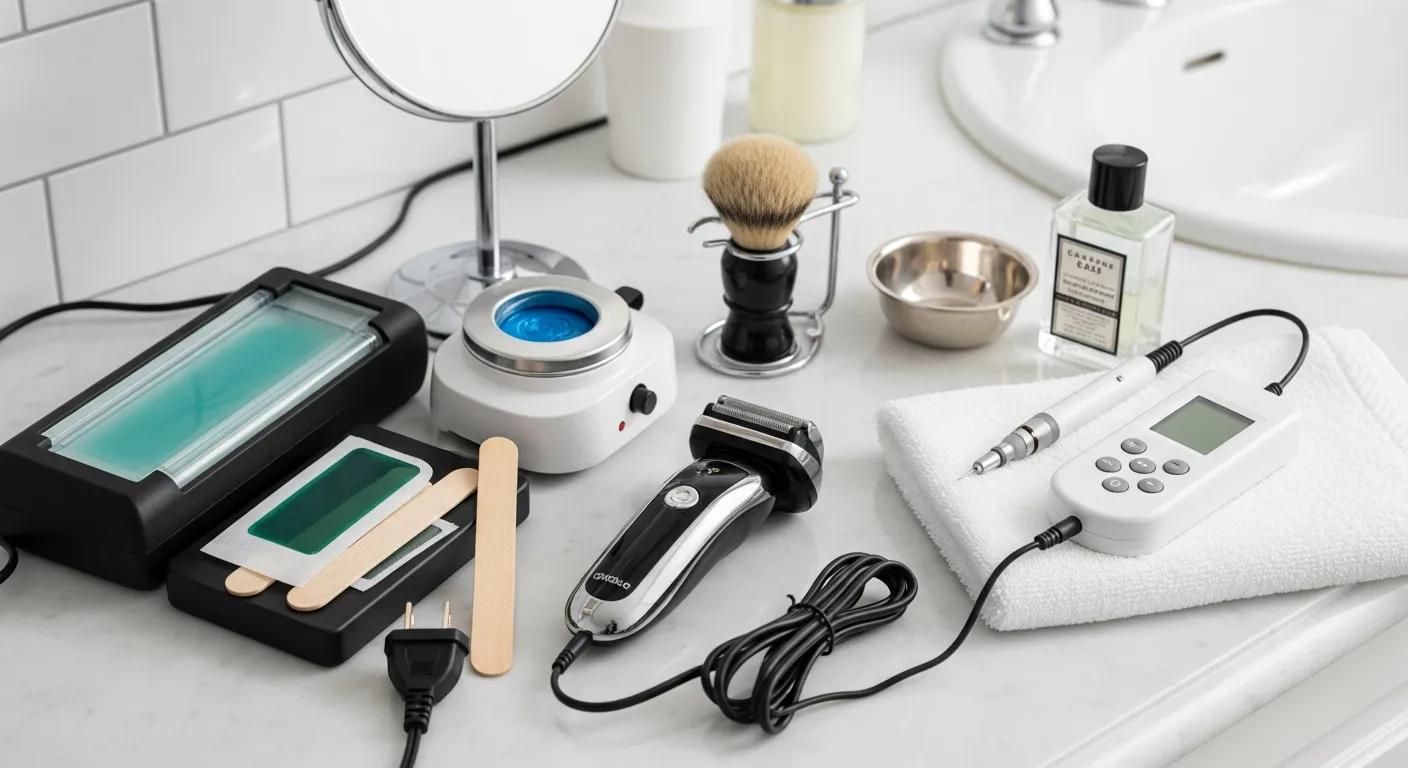
Men’s grooming offers several hair removal choices. Electrolysis, shaving, and waxing each suit different goals; this article summarizes effectiveness, pain, cost, and long-term outcomes to help you choose.
Comparison of Hair Removal Methods: Electrolysis, Shaving, and Waxing
Key factors are effectiveness, pain, cost, and maintenance. Below are the essential differences to consider.
- Effectiveness: Electrolysis is the only FDA-recognized permanent method, directly targeting follicles; shaving and waxing are temporary and require ongoing upkeep.
Research reinforces electrolysis’s unique status as a permanent hair removal method.
Electrolysis: The Only Permanent Hair Removal Method
While laser hair removal (LHR) is one of the most common, the only current permanent form of hair removal is electrolysis. The long pulsed diode is another FDA approved laser used for hair removal.
From flint razors to lasers: a timeline of hair removal methods, K França, 2013
- Pain Levels: Shaving is generally painless; waxing pulls hair from the root and can be painful; electrolysis causes localized discomfort that many manage with numbing and technique.
- Cost: Electrolysis has higher upfront cost but can reduce long-term spending by eliminating repeat treatments; shaving and waxing incur recurring costs.
Moon Electrolysis provides permanent hair removal services for clients seeking fewer maintenance sessions.
What Is Electrolysis and How Does It Provide Permanent Hair Removal?

Electrolysis disables individual hair follicles with an electric current, producing permanent removal across hair types and skin tones.
Process
After a consultation, a fine probe is placed in each follicle and a current applied. Sessions are typically 15–60 minutes and multiple visits are needed to treat all growth cycles.
Effectiveness
Electrolysis works on fine and coarse hair. Many clients achieve lasting results after a course of treatments, which is why it’s preferred for permanent reduction.
Practical experience further supports electrolysis’s effectiveness for lasting hair removal.
Electrolysis Effectiveness for Permanent Hair Removal
Electrolysis is the most effective method for permanent hair removal. Our observations from 13 years and 140,000 hours of experience indicate that galvanic electrolysis (a blend component) was more effective than other methods.
Electrolysis: observations from 13 years and 140,000 hours of experience, 1995
Potential Side Effects
Side effects are usually temporary—redness, swelling, or mild irritation. Proper aftercare (avoid sun, use soothing creams) and professional guidance reduce risk.
How Does Electrolysis Work for Different Hair and Skin Types?
Providers adjust current and technique to match hair thickness and skin sensitivity, making electrolysis suitable for a broad range of hair colors and skin tones.
What Are the Safety and FDA-Approved Benefits of Electrolysis?
Electrolysis is the only hair removal method recognized by the FDA for permanent removal. When performed by trained technicians, risks are low and long-term benefits include reduced ingrown hairs and, for some, improved skin texture.
The FDA’s recognition of electrolysis as a permanent hair removal method underscores its proven efficacy and safety.
Electrolysis vs. Laser Hair Removal: FDA Approval & Outcomes
This study compares treatment outcomes of electrolysis and LHR for genital hair removal. Electrolysis is frequently touted as “the only FDA-approved method of permanent hair removal,” highlighting its established efficacy.
Comparison of permanent hair removal procedures before gender-affirming vaginoplasty: why we should consider laser hair removal as a first-line treatment for …, 2022
How Do Shaving and Waxing Compare to Electrolysis in Men’s Grooming?

Shaving and waxing are practical alternatives: shaving is immediate and low-cost; waxing lasts longer but can be painful and requires hair growth between sessions.
- Shaving: Fast and usually painless, but needs frequent upkeep and can irritate skin.
- Waxing: Longer-lasting than shaving, good for larger areas, but can cause sensitivity and requires hair to be a certain length.
What Are the Pros and Cons of Shaving and Waxing for Men?
Consider convenience, pain tolerance, and maintenance when choosing between these temporary methods.
- Pros of Shaving: Quick, home-friendly, no wait for hair length.
- Cons of Shaving: Temporary results, possible irritation or ingrown hairs.
- Pros of Waxing: Longer intervals between sessions, efficient for larger areas.
- Cons of Waxing: Can be painful, may cause sensitivity and ingrown hairs.
Why Is Electrolysis Considered a Superior Long-Term Hair Removal Method?
Because it destroys follicles, electrolysis removes the need for continual maintenance required by shaving or waxing, saving time and often money over the long term.
What Are the Pain Levels and Skin Sensitivity Differences Between Electrolysis, Shaving, and Waxing?
Pain and sensitivity vary by method and person; choose the method that fits your tolerance and skin type.
- Electrolysis: Localized discomfort; numbing options are available.
- Shaving: Generally painless but can cause cuts or razor burn.
- Waxing: Often painful when hair is pulled from the root; redness may follow.
What Are the Cost and Time Commitments for Electrolysis Versus Shaving and Waxing?
Commitments depend on frequency and coverage area.
| Method | Initial Cost | Ongoing Cost | Time Commitment |
|---|---|---|---|
| Electrolysis | Higher upfront; permanent results | Minimal after course complete | Multiple sessions over weeks/months |
| Shaving | Low (razors, creams) | Regular supply purchases | Daily or weekly upkeep |
| Waxing | Moderate (salon visits) | Periodic sessions | Every 4–6 weeks |
The table shows how electrolysis can reduce long-term financial and time costs compared with temporary methods.
What Are the Long-Term Financial Benefits of Choosing Electrolysis?
Though the initial cost is higher, electrolysis can eliminate recurring expenses for razors or salon visits and lower maintenance time over years.
For more information on electrolysis for transgender individuals, visit Moon Electrolysis.
Frequently Asked Questions
1. How long does an electrolysis session typically last?
Sessions usually run 15–60 minutes; total treatment requires multiple visits based on area and density.
2. Is electrolysis safe for all skin types?
Yes—when performed by trained professionals, electrolysis is suitable across skin types and hair colors; technicians tailor settings to sensitivity.
3. Can electrolysis help with ingrown hairs?
Yes; by destroying the follicle, electrolysis often reduces ingrown hairs and related irritation.
4. How does the cost of electrolysis compare to laser hair removal?
Both can be effective; electrolysis remains the FDA-recognized permanent method and may provide better long-term savings despite higher startup costs.
5. What aftercare is recommended following an electrolysis session?
Avoid sun exposure, use gentle soothing products, keep the area clean, and follow your technician’s directions for 24–48 hours.
6. How many sessions of electrolysis are typically needed for permanent results?
Needs vary; many clients require several sessions (often a small series over months) depending on area and hair growth cycles.
7. Can electrolysis be performed on sensitive areas of the body?
Yes—electrolysis is commonly used on the face, bikini line, and underarms with adjusted techniques and comfort measures.
Conclusion
Electrolysis offers permanent results by targeting follicles directly, reducing the ongoing maintenance required by shaving and waxing. Consider pain tolerance, budget, and time when choosing a method, and consult a qualified technician to determine the best plan for your needs.