Electrolysis tattoo hair removal provides an effective, long-term option for removing unwanted hair while maintaining a strong safety profile. The method is FDA-recognized for permanent hair removal and is therefore a common choice for clients seeking a lasting result. This article explains the benefits of electrolysis for tattooed skin, emphasising its effectiveness, safety, and suitability across skin types and growth cycles. It also describes how electrolysis works, compares it with alternative methods, and outlines consultation options for prospective clients.
Benefits of Electrolysis Tattoo Hair Removal Near Me

Electrolysis offers clear advantages for permanent hair removal, particularly on tattooed areas. The procedure uses a controlled electric current to target hair follicles precisely, providing a safe and targeted treatment. Key benefits include the following.
- Permanent Solution: Electrolysis is an FDA-recognized method for permanent hair removal. Treated follicles will not regrow, offering a long-lasting solution.
- Versatility: This method can be applied to any skin type and hair color. Unlike other forms of hair removal, electrolysis isn’t limited by the pigmentation of hair or skin, making it a universal option for clients.
- Reduced Ingrown Hairs: With electrolysis, the risk of developing ingrown hairs is significantly lowered as the procedure targets the hair follicle directly. This benefit is particularly appealing to individuals prone to such complications from other hair removal techniques.
- Safety: Electrolysis presents a safe method for hair removal, as it minimizes damage to the surrounding skin, unlike some laser treatments. This feature makes it suitable for sensitive areas, including the face and bikini regions.
- Effective on Tattoos: For tattooed individuals, electrolysis is ideal since it can effectively remove hair without impacting the ink in tattoos, ensuring that your body art remains undisturbed.
As demand for electrolysis grows, many clients prioritise certified and experienced practitioners. If you are considering electrolysis tattoo hair removal, a consultation will address your concerns and provide treatment recommendations tailored to your needs.
Consultation Opportunities
Personalized consultations assess skin type, hair characteristics and individual goals, and they establish realistic expectations for treatment outcomes.
Understanding Electrolysis Procedures
Electrolysis follows several defined steps to deliver thorough, effective hair removal. Clear information on the process reduces uncertainty and supports informed decision-making.
- Initial Assessment: A professional will evaluate your hair and skin type to determine the best treatment plan tailored to your needs.
- Treatment Planning: A detailed plan may include suggested frequency and number of sessions for optimal results.
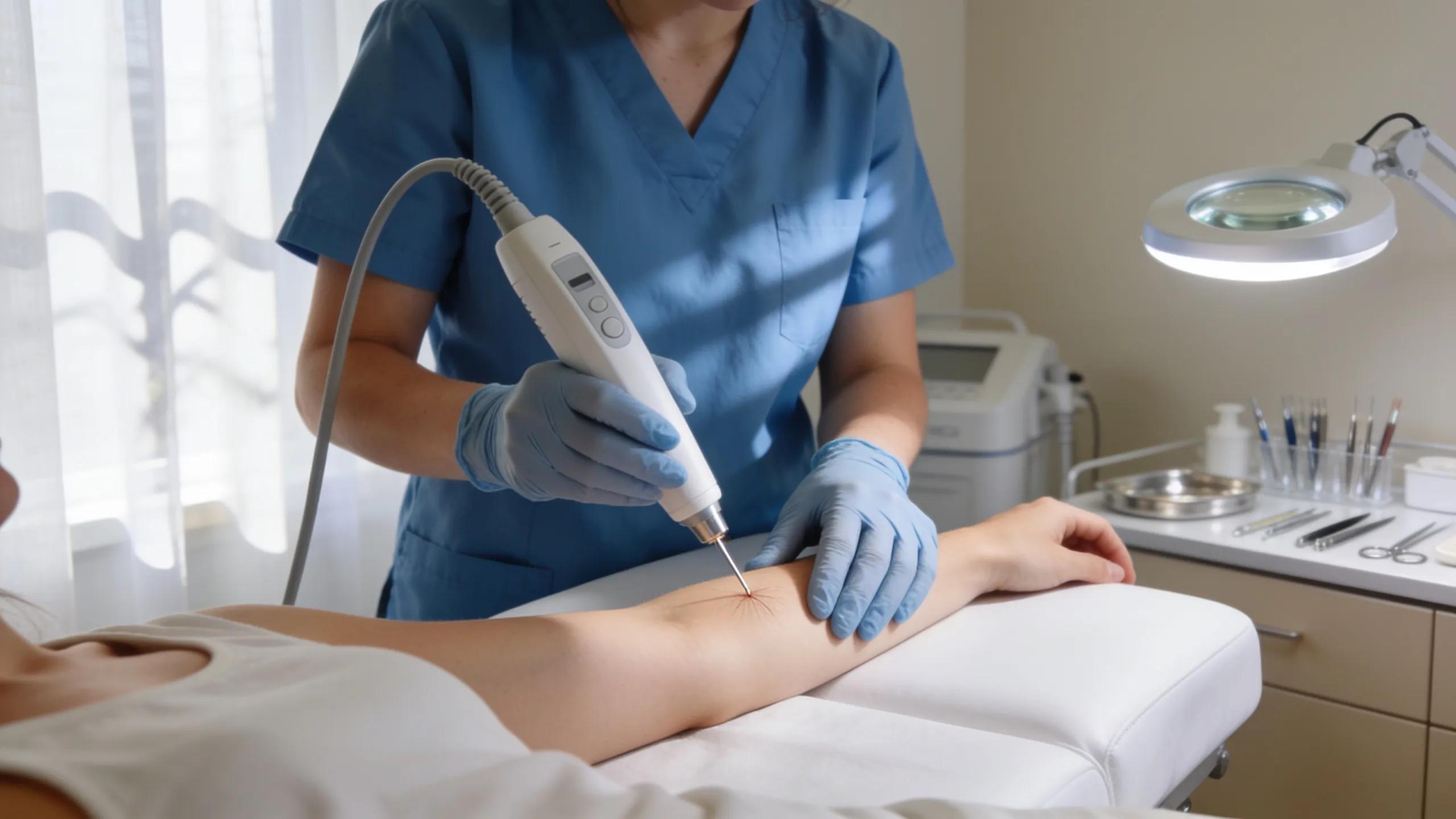
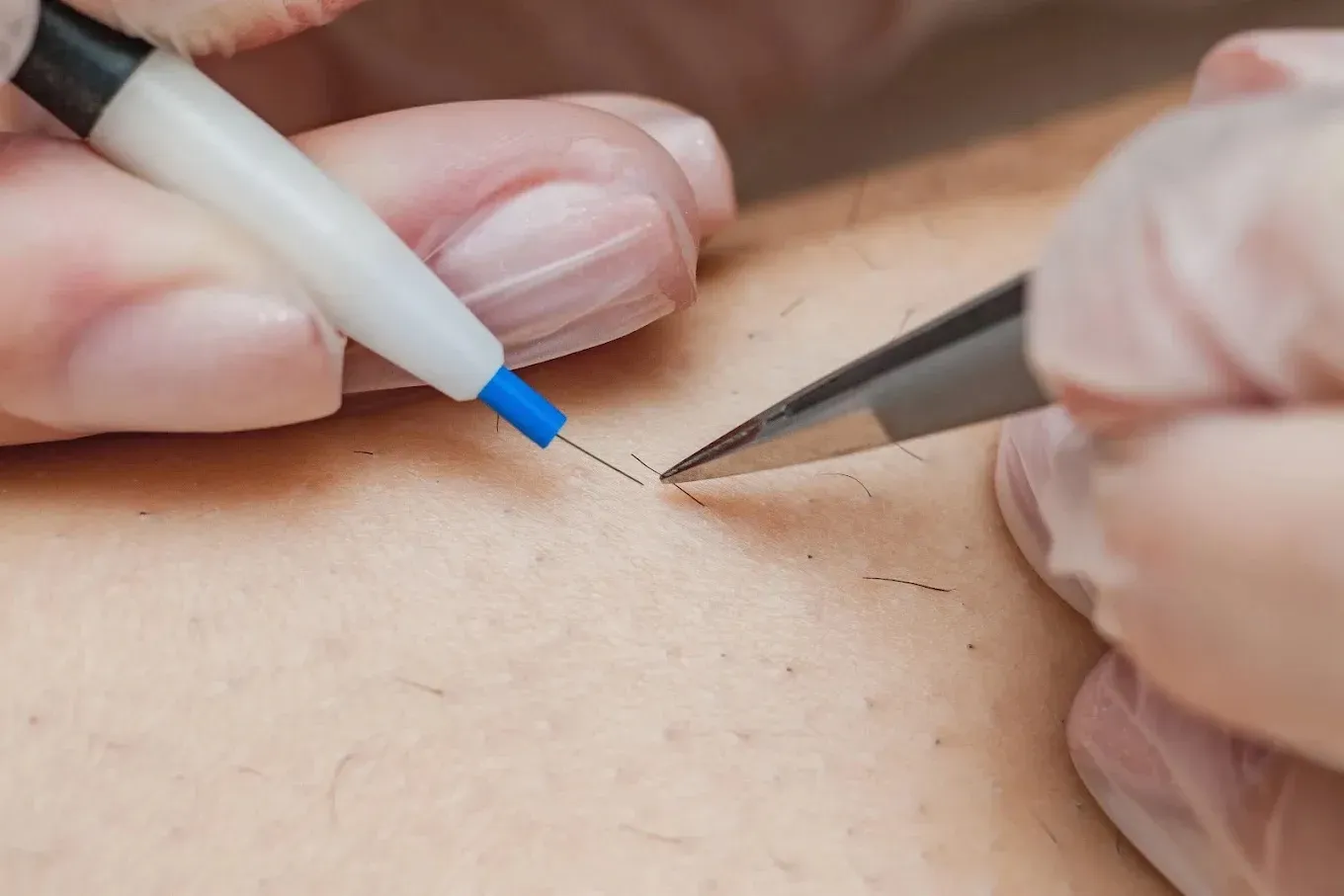
- The Electrolysis Process: During each session, a small probe is inserted into the hair follicle, delivering an electric current that destroys the follicle without harming surrounding tissue.
These steps clarify the treatment pathway and prepare clients for the course of care toward permanent hair removal.
Frequency of Treatments
Treatment frequency varies with hair growth cycles; typically, sessions occur every two to eight weeks depending on the area treated and individual growth patterns.
Post-Treatment Care
Post-treatment care is essential. Clients should avoid direct sun exposure, apply sunscreen to treated areas and maintain gentle cleansing and moisturising to support healing and reduce irritation.
Comparing Electrolysis with Other Hair Removal Methods
Electrolysis competes with several hair-removal methods, each offering specific advantages. The following comparison highlights key differences to inform your decision.
| Hair Removal Method | Permanence | Skin Suitability | Pain Level | Cost Comparison |
|---|---|---|---|---|
| Electrolysis | Permanent | All Skin Types | Low | Moderate |
| Laser Hair Removal | Semi-permanent | Specific Skin Types | Moderate | Higher |
| Waxing | Temporary | Limited Skin Types | Moderate | Low to Moderate |
| Shaving | Temporary | All Skin Types | Low | Low |
This comparison demonstrates electrolysis as a long-term investment in personal grooming, particularly suited to those who wish to avoid ongoing costs associated with temporary methods.
Electrolysis vs. Laser Hair Removal: Long-Term Solutions
For individuals with excessive body hair, choosing between electrolysis and laser involves selecting the most appropriate long-term approach. Both are among the most effective long-term hair-reduction and removal options. 1 Olsen EA. Methods of hair removal. J Am Acad Dermatol. 1999;40(2 Pt 1):143–155.Electrolysis vs Laser Hair Removal: What Works Best for Your Skin & Hair?
Cost Considerations
Upfront costs for electrolysis may be higher than for some alternatives, but its permanence produces substantial long-term savings. Assessing lifetime costs across options supports a well-informed decision.
Effectiveness and Safety
Electrolysis’ FDA recognition underscores its effectiveness and safety profile. Individualised treatment plans reduce the risk of adverse skin reactions and other complications that can occur with alternative methods.
In summary, electrolysis tattoo hair removal delivers long-term benefits that frequently outweigh initial costs. As an FDA-recognized permanent method suitable for all skin types and compatible with tattooed skin, it provides dependable results. Prospective clients can obtain personalised guidance through consultations at clinics such as Moon Electrolysis. Its sustained outcomes and low complication rates make electrolysis a strong option for those seeking permanent hair removal.
Frequently Asked Questions
1. Is electrolysis safe for all skin types?
Yes. Electrolysis is considered safe for all skin tones and hair colors. Unlike laser hair removal, which can be less effective on lighter hair or certain skin tones, electrolysis targets the follicle directly. Practitioners adjust treatment settings to suit each client, ensuring both safety and efficacy.
2. How many electrolysis sessions are typically required?
Session requirements vary with hair growth cycles, the treatment area, and individual hair characteristics. On average, 15 to 30 sessions may be required to achieve optimal results. A qualified professional will develop a tailored plan based on your specific needs.
3. Can electrolysis remove hair from sensitive areas?
Yes. Electrolysis is well suited to sensitive areas such as the face and bikini line. By targeting the hair follicle directly, the procedure minimises skin irritation. Practitioners take additional care in delicate regions to ensure comfort and effective results.
4. What post-treatment care steps should I follow?
Post-treatment care is essential for optimal healing. Clients should avoid sun exposure, apply sunscreen to treated areas, and keep the skin clean and moisturized. Gentle cleansing is recommended, and avoiding tight clothing or heavy makeup on treated areas can support recovery.
5. How does electrolysis compare to other hair removal options?
Electrolysis provides a permanent solution, unlike temporary methods such as shaving and waxing. Compared to laser hair removal, which typically offers semi-permanent results and depends on skin type, electrolysis is effective on all skin colors and hair types. Its direct approach to destroying the follicle prevents regrowth.
6. Is electrolysis painful?
Most clients report only mild discomfort, often described as a tingling or stinging sensation during treatment. Professionals employ techniques to minimise discomfort, and topical anaesthetics may be offered on request to enhance comfort while maintaining treatment efficacy.
7. How much does electrolysis cost compared to other methods?
Although the initial cost of electrolysis can be higher than temporary hair removal methods, it removes the need for ongoing expenses. Total cost depends on the area treated and the number of sessions required, but over time electrolysis often represents a cost-effective investment.
Conclusion
Electrolysis tattoo hair removal is a reliable, permanent option for safe and effective hair removal. FDA recognition and the ability to treat a range of skin types without affecting tattoo ink underscore its practical value. Schedule a consultation to receive personalised recommendations tailored to your hair-removal needs, and consult your local electrolysis clinic to discuss appropriate treatment options.