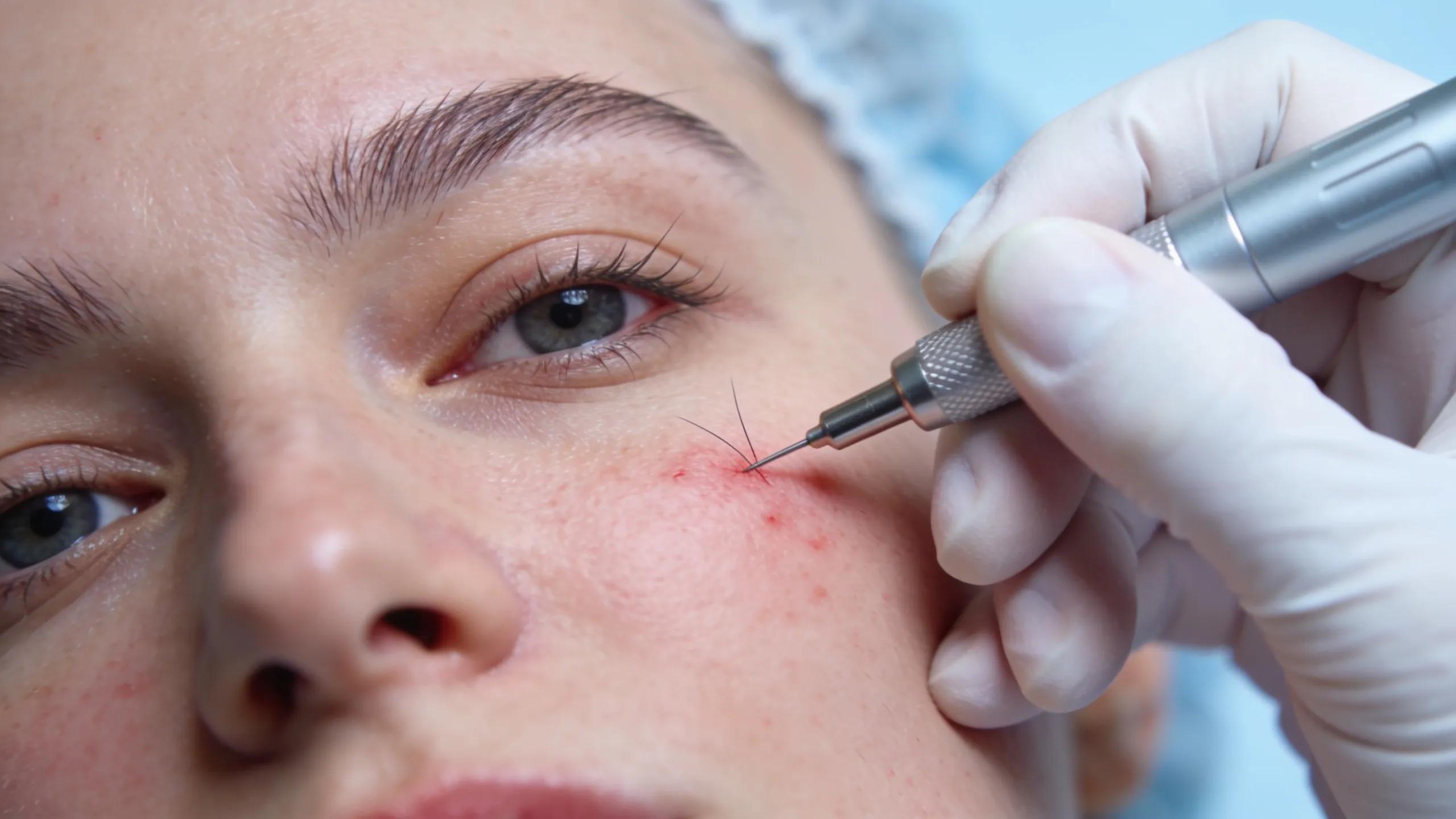
Electrolysis is an established method for permanent tattoo hair removal. A fine probe delivers a controlled electrical current to individual follicles, destroying the root while preserving surrounding skin and ink. This guide explains how electrolysis works, reviews safety and effectiveness, outlines procedural steps and aftercare, and compares alternatives so you can make an informed choice for tattooed areas.
Understanding Electrolysis
Electrolysis removes hair permanently by delivering an electric current directly into individual follicles through a fine probe. The main modalities—thermolysis, galvanic electrolysis and the blend method—use different mechanisms but share the same goal: follicle destruction to prevent regrowth. That precision makes electrolysis suitable for challenging areas, including tattooed skin. For specialised service options, see Moon Electrolysis.
Safety and Effectiveness
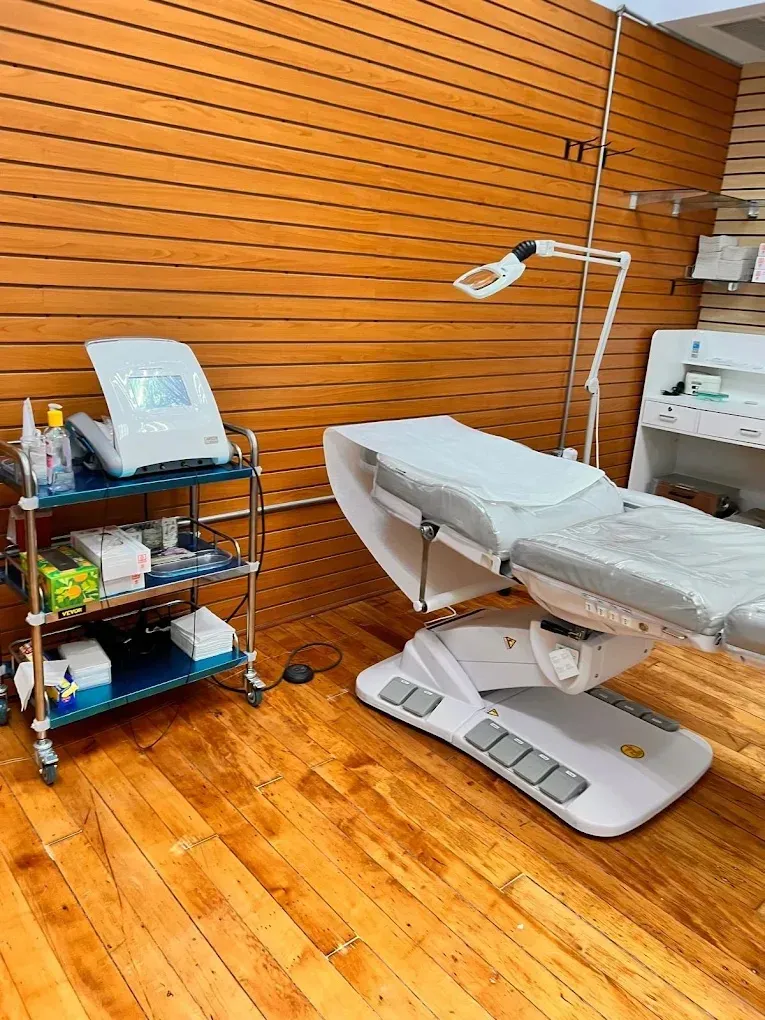
Electrolysis is FDA-approved for permanent hair removal and is appropriate for tattooed skin when performed by a trained technician. The procedure can remove hair while maintaining the tattoo’s appearance. Multiple sessions are usually needed and some clients report mild discomfort; strict adherence to safety protocols reduces risks such as infection or other complications.
Understanding Health Risks in Electrolysis and Tattooing Procedures
Special procedures that pierce the skin—such as tattooing (including semi-permanent make-up), body piercing, acupuncture and electrolysis—carry a potential risk of infection and other complications. This review summarises the current evidence on the main physical health risks associated with these procedures.A rapid review of physical health risks associated with special procedures (tattooing, body piercing, acupuncture, electrolysis), M Kiseleva, 2023
Procedure Details
Treatment starts with a consultation and assessment of skin and hair. During the session a trained technician inserts a very fine probe into each follicle and applies a short electrical pulse to disable the follicle. Session length depends on the area treated and typically ranges from 15 to 60 minutes; most clients report only mild tingling.
To discuss tailored treatment plans and expected outcomes, schedule a consultation at a specialised centre such as Moon Electrolysis.
How Does Electrolysis Permanently Remove Hair on Tattooed Skin?
Electrolysis targets follicles directly, so removal works regardless of skin pigmentation or tattoo colours. The probe’s precision protects the tattoo’s design and pigments while treating the hair root, making the method suitable across skin types.
Why Is Electrolysis Preferred Over Laser for Tattoo Hair Removal?
Electrolysis treats each follicle individually and works independently of hair colour and skin tone, which gives it an advantage where lasers may be less effective—for example on light-coloured hair or darker skin tones. Both methods can provide long-term reduction; the best choice depends on hair and skin characteristics and the presence of tattoos.
Electrolysis vs. Laser: Effective Long-Term Hair Removal Solutions
If an individual seeks a long-term solution for excessive body hair, they may choose between electrolysis and laser hair removal. Both are among the most effective long-term hair reduction and removal options currently available.Electrolysis vs Laser Hair Removal: What Works Best for Your Skin & Hair?
Ultimately, the decision between electrolysis and laser should be based on individual factors such as skin and hair type, hair density and the presence of tattoos.
Comparing Electrolysis and Laser for Permanent Hair Removal
Laser hair removal and electrolysis are the leading techniques for long-term hair removal. The risks, benefits and limitations of each method should be evaluated before treatment; skin colour, hair colour, density and the presence of tattoos or other skin conditions can determine which approach is most appropriate for a given patient.Dermatologic care and permanent hair removal in preparation for genital gender affirming surgery, 2024
Aftercare Recommendations
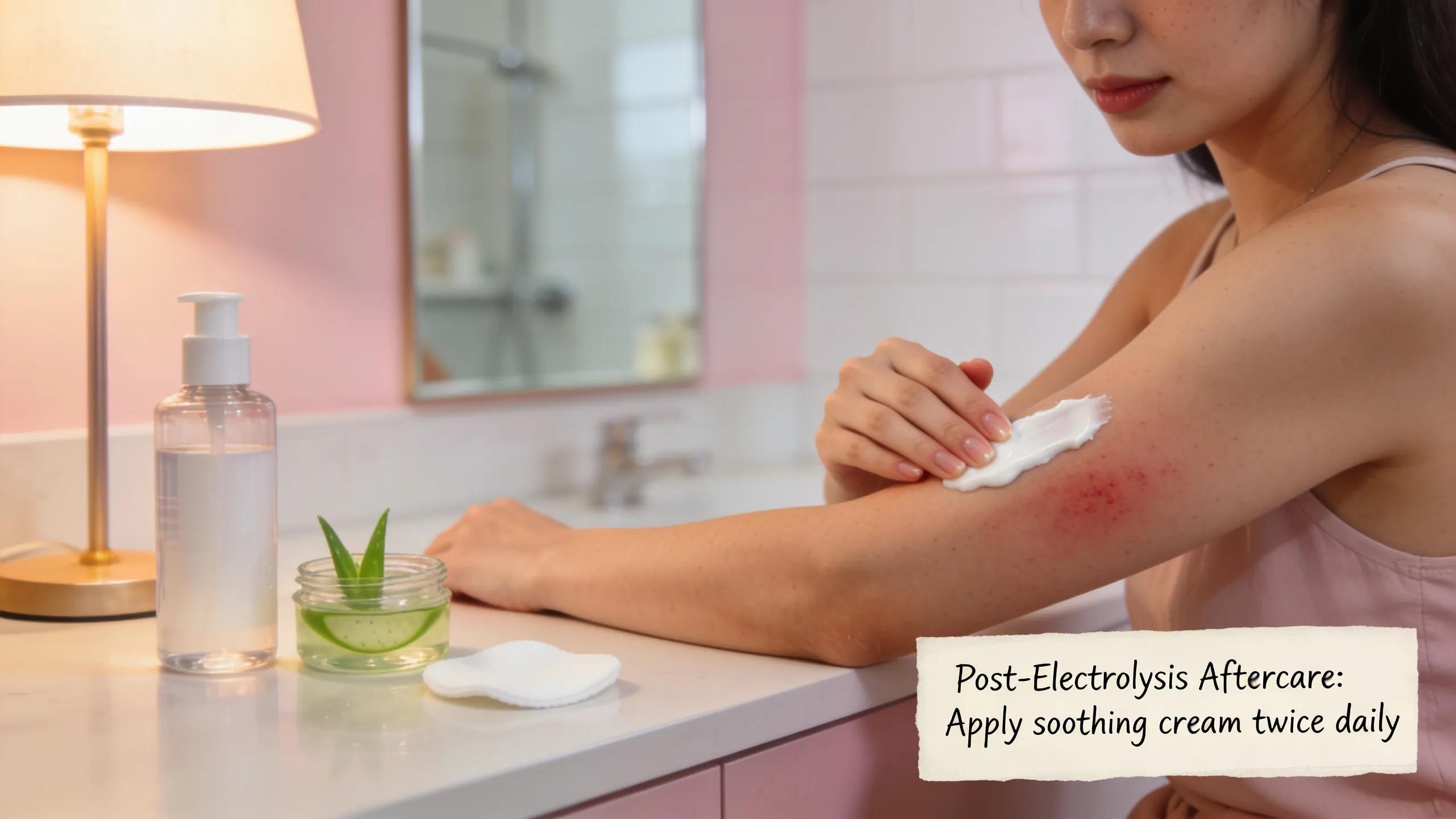
After treatment, follow these aftercare steps to support healing and reduce complications:
- Keep the area clean: Maintain hygiene to reduce infection risk.
- Avoid sun exposure: Protect the treated area from direct sunlight, as UV rays can irritate skin.
- Do not pick at the treated area: Allow the skin to heal naturally without interference.
Adhering to these recommendations supports safer healing and helps preserve treatment results.
Preparation for Treatment
Prepare for electrolysis by taking a few simple steps to optimise safety and results:
- Avoid sun exposure beforehand: Minimising sun exposure keeps the skin in better condition for treatment.
- Arrive with clean skin: Clean skin without moisturisers or makeup ensures accurate treatment.
- Discuss skin conditions: Inform your technician about any skin conditions or prior treatments.
These preparations help ensure a smoother procedure and reduce the risk of complications.
How Many Sessions and What Cost Can Be Expected for Electrolysis Tattoo Hair Removal?
Session counts vary with hair density, growth patterns and the treatment area; multiple appointments are normally required to achieve satisfactory clearance. Pricing varies by provider and location—discuss costs and payment options during the initial consultation for a personalised estimate.
How Is Treatment Frequency Determined for Effective Tattoo Hair Removal?
Frequency is set according to hair growth cycles and individual needs. Sessions are typically scheduled every 4 to 8 weeks to treat follicles during their active growth phase.
What Is the Typical Cost Range for Electrolysis Services for Tattoo Hair Removal in NYC?
Costs reflect the area treated, session duration and provider expertise. Because rates vary, request a detailed pricing breakdown during your consultation to understand the anticipated investment.
What Do Clients Say About Electrolysis for Tattoo Hair Removal in New York City?
Clients report that electrolysis is precise and thorough, with generally minimal discomfort. Many note high satisfaction with long-term results and the procedure’s ability to remove hair without compromising tattoo appearance.
How Do Personalized Treatment Plans Improve Results for Tattoo Hair Removal?
Personalised plans consider each client’s skin and hair characteristics, enabling targeted treatment and improved outcomes. Tailored approaches typically yield higher satisfaction and safer results than one-size-fits-all programmes.
Frequently Asked Questions
What should I expect during my first electrolysis session?
At your first appointment a trained technician will assess your skin and hair type during a consultation. The procedure then proceeds with a fine probe inserted into each follicle; sessions usually last 15 to 60 minutes. Expect mild sensations such as tingling, and raise any concerns with your technician before the procedure begins.
Can electrolysis be performed on all skin tones and hair types?
Yes. Electrolysis is effective across all skin tones and hair types because it targets follicles directly, independent of hair colour or skin pigmentation. This makes it a reliable option where laser treatments may be limited.
How can I minimize discomfort during electrolysis treatment?
Communicate openly with your technician about pain tolerance and any concerns. Some clients choose over-the-counter pain relief before treatment. Following pre-treatment guidance—such as avoiding caffeine and attending with clean skin—can also reduce sensitivity.
Are there any side effects associated with electrolysis?
Common temporary reactions include redness, swelling or tingling at the treatment site, which usually resolve shortly after the session. Rarely, minor scabbing or changes in pigmentation may occur. Careful aftercare helps mitigate these effects and supports healing.
How long does it take to see results from electrolysis?
Visible improvement often appears after several sessions since hair grows in cycles. Complete clearance can take weeks to months depending on hair density and the treated area. Regular appointments spaced 4 to 8 weeks apart improve overall efficacy.
Is electrolysis suitable for facial hair removal as well?
Yes. Electrolysis is commonly recommended for facial hair—upper lip, chin and brows—because of its precision. It is effective in delicate areas and can treat sensitive skin without damaging surrounding features or tattoos.
Conclusion
Electrolysis provides a reliable, effective option for permanent tattoo hair removal while minimising impact on tattoo integrity. Its applicability across skin tones and hair types makes it a widely accessible choice. Contact a specialist to discuss personalised treatment plans and next steps; expert providers can help you achieve permanent results with precision and care.