Electrolysis Hair Removal for Dark Skin: Comparing Effectiveness and Safety with Other Methods
Electrolysis is a commonly recommended permanent hair‑removal method for people with darker skin tones. This article compares electrolysis with alternative techniques—particularly laser hair removal—with a focus on safety and clinical effectiveness. Individuals with darker skin may face a higher risk of adverse effects from some methods. We explain how electrolysis works, outline its benefits across skin tones including for transgender clients, and summarise expected side effects and aftercare to provide a clear overview of this permanent option.
What Is Electrolysis and Why Is It Recommended for Dark Skin?
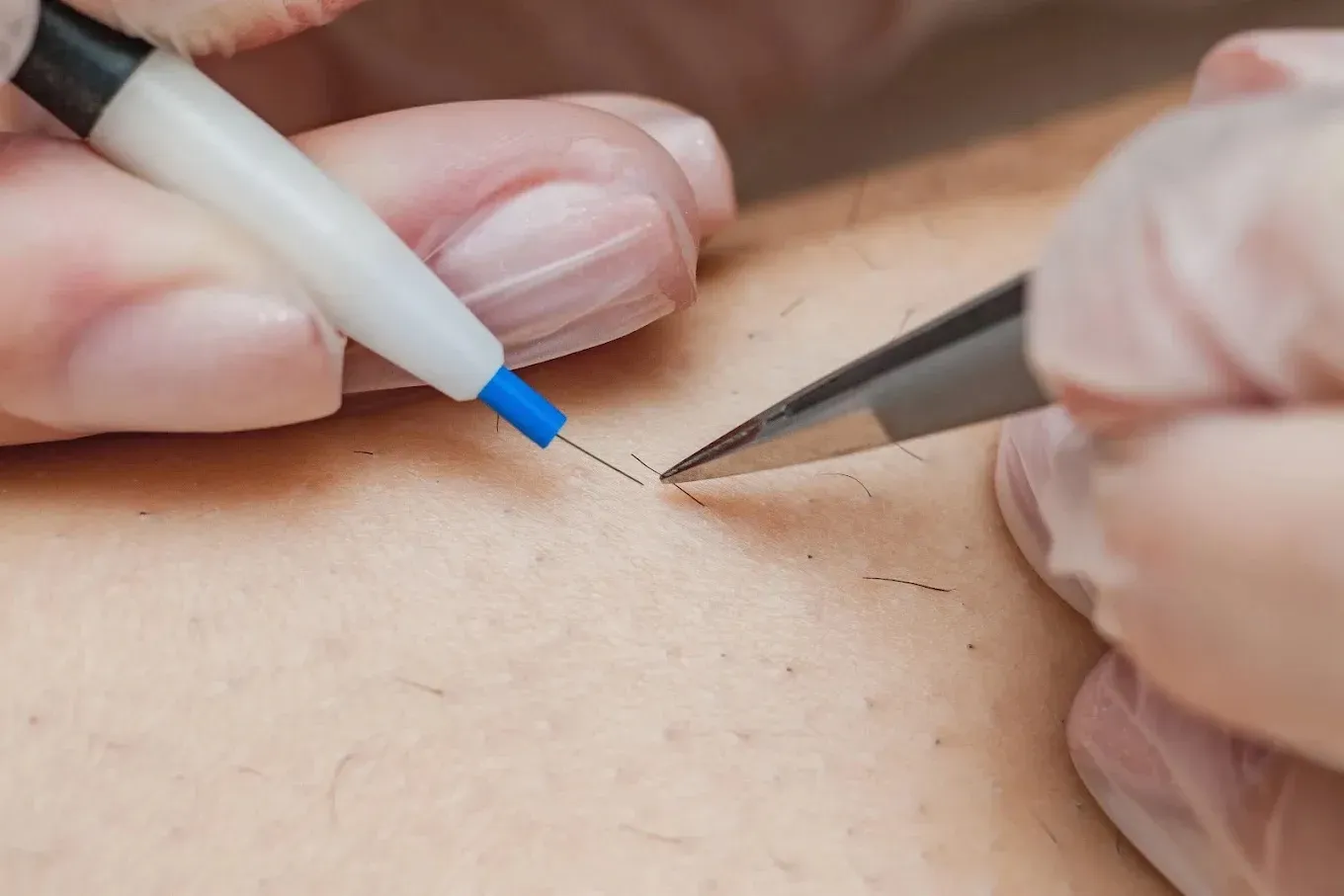
Electrolysis applies a controlled electric current directly to the hair follicle to disable its ability to produce hair. It is recommended for darker skin because it targets follicles independently of skin‑to‑hair pigment contrast, reducing the risk of pigmentation changes associated with some other methods. Its capacity to deliver long‑term results across skin types makes it a dependable and safe option for people with darker complexions.
How Does Electrolysis Permanently Remove Hair Safely on Dark Skin?
Treatment begins with a consultation to assess skin type, hair characteristics and treatment goals. During a session, a fine probe is inserted into each follicle and a controlled electric current is applied to disable the follicle’s ability to regrow hair. The technique is effective for all hair colors and textures; permanent results require multiple sessions. Many clients achieve substantial and lasting hair reduction after completing a full course of treatment.
What Qualifications Ensure Expert Electrolysis Treatment?
Select a certified electrologist who holds recognised credentials, comprehensive training and adheres to strict hygiene protocols. Experienced practitioners understand variations in skin and hair and will design safe, effective treatment plans tailored to clients with darker skin tones.
How Does Electrolysis Compare to Laser Hair Removal for Dark Skin?

Both electrolysis and laser hair removal are options for long‑term hair reduction, but suitability differs for darker skin. Laser systems target pigment and can be effective, yet they carry a higher risk of burns and hyperpigmentation in individuals with darker skin tones.
Clinical studies consistently identify electrolysis as a more effective and safer option, particularly for hormonally influenced conditions such as PCOS and across all skin types.
Electrolysis vs. Laser: Superiority for PCOS & All Skin Types
Electrolysis has repeatedly demonstrated superior efficacy for permanent hair removal, particularly in hormonally sensitive facial areas across skin types. Laser hair removal in clients with polycystic ovary syndrome has been associated with paradoxical hair growth (paradoxical hypertrichosis). Although electrolysis often requires more treatment sessions, it ultimately provides a more reliable, cost‑effective, and permanent solution. On this basis, we prioritise electrolysis over laser hair removal.
Clinical efficacy of Electrolysis and Laser Hair Removal in PCOS patients, 2025
Further research supports electrolysis’s superior efficacy and safety, particularly when compared with laser hair removal in certain clinical conditions.
Electrolysis vs. Laser Hair Removal: Efficacy & Permanence
Electrolysis has consistently demonstrated superior efficacy for permanent hair removal, especially in hormonally sensitive facial areas across all skin types. Laser hair removal in patients with polycystic ovary syndrome has been reported to produce paradoxical hair growth (paradoxical hypertrichosis). Although electrolysis often requires more treatment sessions, it ultimately offers a more reliable, cost-effective, and permanent solution. On this basis, we prioritise electrolysis over laser hair removal.
Clinical efficacy of Electrolysis and Laser Hair Removal in PCOS patients, 2025
| Method | Effectiveness | Safety | Side Effects |
|---|---|---|---|
| Electrolysis | High | Very Safe | Minimal |
| Laser Hair Removal | Variable | Risk of burns | Possible hyperpigmentation |
Because electrolysis targets follicles directly and does not rely on skin‑to‑hair pigment contrast, it is often considered a safer option for diverse skin tones and reduces the risk of complications associated with laser treatments.
What Are the Risks of Laser Hair Removal on Dark Skin?
Laser hair removal can cause burns, scarring and hyperpigmentation in darker skin. Because lasers target pigment in the hair, adjacent skin may be affected and develop discoloration. These potential outcomes make electrolysis a more appropriate choice for many individuals with darker tones.
Further research highlights specific risks of some laser treatments on darker skin, including the potential for paradoxical hair growth.
Alexandrite Laser Risks: Paradoxical Hypertrichosis in Darker Skin
Our findings indicate a higher‑than‑reported prevalence of paradoxical hypertrichosis following Alexandrite laser hair removal. Key risk factors include PCOS, menstrual irregularities, darker skin types and insufficient sun protection. Understanding these associations helps clinicians take preventive measures, optimize patient selection and provide improved counselling to reduce the risk of paradoxical hypertrichosis and enhance treatment outcomes.
Predictors and prevalence of paradoxical hypertrichosis in alexandrite laser-based facial hair removal: results from a prospective clinical study, H Qeyam, 2025
Why Is Electrolysis a Safer Alternative for Diverse Skin Tones?
Electrolysis is FDA‑approved and effective across all skin types, including darker skin. Because it does not depend on skin‑to‑hair colour contrast, it lowers the risk of adverse skin reactions. Direct follicle targeting enables permanent hair removal with a reduced likelihood of pigmentation issues.
What Are the Side Effects and Aftercare Requirements of Electrolysis Versus Laser?
Both electrolysis and laser treatments can produce side effects, though the nature and severity differ. Clear information about expected reactions and required aftercare helps clients select the most appropriate hair removal option for their needs.
Which Side Effects Are Common with Electrolysis on Dark Skin?
Common responses to electrolysis include temporary redness, mild swelling and tenderness at the treatment site. These effects are generally mild and resolve within hours to a few days. In some cases, slight discoloration may occur on darker skin, but this typically fades over time.
How Should Clients Care for Skin Post-Treatment to Ensure Safety?
Post‑treatment care supports healing and reduces side effects. Clients should follow the clinic’s aftercare instructions closely to protect the treated area and promote recovery.
- Avoid Sun Exposure: Protect treated areas from direct sunlight for at least a week to prevent pigmentation changes.
- Keep the Area Clean: Gently cleanse the treated area with mild soap and water to avoid infection.
- Moisturize: Apply a soothing lotion or aloe vera to keep the skin hydrated and reduce irritation.
Adherence to these aftercare measures supports a smooth recovery and helps achieve optimal results from electrolysis.
How Does Electrolysis Serve the Unique Needs of Transgender Clients?
Electrolysis is an important option for many transgender clients seeking permanent hair removal as part of gender‑affirming care. It is particularly effective for reducing facial and body hair that can contribute to gender dysphoria.
Research further examines the specific applications and challenges of both laser and electrolysis in supporting gender‑affirming goals.
Laser & Electrolysis for Transgender Hair Removal
In transwomen receiving vaginoplasty, laser hair removal has been established as an effective preprocedural method, with preliminary studies comparing its efficacy to electrolysis. In transmen undergoing phalloplasty, early findings suggest laser hair removal can satisfactorily reduce hair density in the neourethra. While limited, available evidence indicates that adequate hair removal may contribute to improved psychosocial outcomes. Efficacy of LHR prior to gender‑affirming surgery may differ based on treatment protocols and patient demographics, potentially contributing to variability in reported results. Moreover, cost, lack of provider expertise and patient fear or anxiety remain recognized barriers to care for both LHR and electrolysis.
Laser hair removal in gender-affirming care: applications and barriers in transgender and gender-diverse populations, 2025
Further studies evaluate the roles of electrolysis and laser hair removal in gender‑affirming care, outlining their respective applications and limitations.
Electrolysis & Laser in Transgender Gender-Affirming Care
In transwomen undergoing vaginoplasty, laser hair removal has been established as an effective preprocedural method, with preliminary studies comparing its efficacy to electrolysis. In transmen undergoing phalloplasty, early findings indicate laser hair removal can satisfactorily reduce hair density in the neourethra. Although the evidence is limited, available data suggest adequate hair removal may contribute to improved psychosocial outcomes. Variability in LHR efficacy can result from differing treatment protocols and patient demographics. Cost, limited provider expertise, and patient fear or anxiety remain recognized barriers to both LHR and electrolysis.
Laser hair removal in gender-affirming care: applications and barriers in transgender and gender-diverse populations, 2025
What Specialized Electrolysis Services Are Available for Transgender Individuals?
Many electrologists offer tailored services for transgender clients, including personalised consultations to define goals and develop respectful, individualised treatment plans. Practitioners may also provide flexible scheduling to accommodate specific needs.
How Does Electrolysis Support Gender Affirmation Through Permanent Hair Removal?
Permanent hair removal with electrolysis can deliver meaningful psychological benefits, reducing gender dysphoria and improving self‑confidence. For many clients, sustained results contribute positively to overall well‑being and comfort in their bodies.
How Can Clients in NYC Access Safe and Effective Permanent Hair Removal?
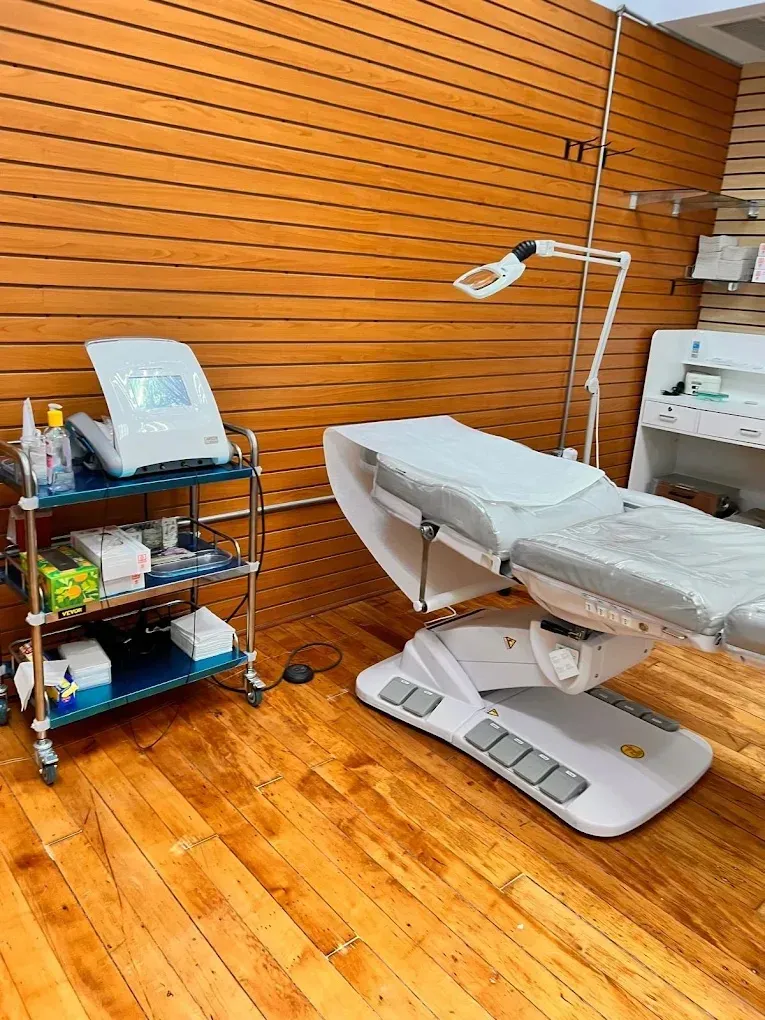
Clients in New York City seeking reliable permanent hair removal can access specialised electrolysis services at Moon Electrolysis. The clinic provides expert care tailored to individual needs.
What Is the Booking and Consultation Process at Moon Electrolysis?
Booking at Moon Electrolysis is straightforward. Appointments can be scheduled online and a complimentary consultation is provided to review goals and treatment options. The consultation allows time for questions and ensures clients understand the process before proceeding.
Why Choose Moon Electrolysis for Electrolysis Hair Removal in NYC?
Moon Electrolysis is committed to safe, effective and inclusive hair removal. The clinic is staffed by experienced professionals who prioritise client comfort and satisfaction. Using FDA‑approved techniques and careful attention to diverse skin tones, Moon Electrolysis is well suited for individuals seeking permanent hair removal in NYC.
Frequently Asked Questions
What is the cost range for electrolysis treatments?
Cost varies by location, the experience of the electrologist and the size of the treatment area. On average clients can expect to pay between $30 and $100 per session. Some clinics offer package pricing for multiple sessions which can reduce the overall cost. It is advisable to discuss pricing during the initial consultation to understand the financial commitment required to achieve permanent hair removal.
How long does each electrolysis session typically last?
Sessions generally last between 15 and 60 minutes, depending on the treatment area and hair density. Smaller areas, such as the upper lip, require shorter sessions while larger areas, like the legs or back, take longer. Frequency is usually every few weeks to align with the hair growth cycle, optimising results over time.
Are there any specific skin conditions that may affect electrolysis treatment?
Certain skin conditions can affect suitability for electrolysis. Clients with active infections, eczema or psoriasis should consult a healthcare provider before treatment. Individuals with sensitive skin or conditions that impair healing may require special considerations. A thorough consultation with a qualified electrologist will identify potential risks and ensure a safe treatment plan.
What should clients do if they experience side effects after treatment?
If clients experience side effects such as redness, swelling or tenderness after electrolysis, they should follow the aftercare instructions provided by their electrologist. Applying a soothing lotion or aloe vera can help alleviate discomfort. If side effects persist or worsen, contact the electrologist for further guidance. In rare cases more serious reactions may occur and medical advice should be sought.
How does electrolysis compare to other hair removal methods in terms of cost-effectiveness?
Electrolysis is often cost‑effective for permanent hair removal in the long term. While individual sessions may be more expensive than temporary methods such as shaving or waxing, electrolysis reduces or eliminates the need for ongoing treatments. Over time clients may save money by discontinuing regular hair‑removal products and services, making electrolysis a financially sound option for those seeking permanent results.
Can electrolysis be performed during pregnancy?
Electrolysis is generally considered safe during pregnancy, but clients should consult their healthcare provider before proceeding. Hormonal changes during pregnancy can alter hair growth patterns and may increase sensitivity. A qualified electrologist can provide tailored advice and adjust treatment plans to ensure comfort and safety.
What advancements are being made in electrolysis technology?
Recent advancements in electrolysis technology include more precise and efficient devices that enhance treatment effectiveness and reduce discomfort. Newer machines feature improved probes and adjustable settings to accommodate different hair types and skin sensitivities. Ongoing research focuses on optimising treatment protocols to minimise session times while maximising results.
What is the ideal skin type for electrolysis treatment?
Electrolysis is suitable for all skin types, including darker tones. Its effectiveness arises from direct follicle targeting rather than reliance on pigment contrast. This makes electrolysis a safe option for a broad range of skin tones and avoids the increased risks—such as burns or hyperpigmentation—associated with some laser treatments on darker skin.
How does electrolysis impact hair growth cycles?
Electrolysis targets hair follicles during their active growth phase (anagen). Because not all hairs are in this phase simultaneously, multiple sessions are required to treat each follicle when it is most vulnerable. Treatment schedules are planned to align with the hair growth cycle and maximise long‑term results.
What should clients do to prepare for their electrolysis sessions?
Preparation typically includes avoiding sun exposure and tanning for at least one week before treatment, as increased pigmentation can raise sensitivity. Avoid waxing or plucking for several weeks prior to your appointment so follicles remain intact. Disclose any medications and skin conditions during the consultation so the electrologist can tailor a safe, effective plan.
Are there any specific aftercare instructions following electrolysis?
After electrolysis, follow aftercare instructions to promote healing and reduce side effects. This includes avoiding sun exposure, refraining from strenuous exercise for 24 hours and keeping the treated area clean and moisturised. Avoid harsh skincare products or exfoliants on the treated area for several days to prevent irritation. Adherence to these guidelines supports optimal results and reduces the risk of complications.
Can electrolysis be combined with other hair removal methods?
Electrolysis can be combined with temporary methods, subject to guidance from a qualified electrologist. Some clients manage day‑to‑day hair with shaving or depilatory creams while undergoing electrolysis. Avoid waxing or plucking before and during the treatment course, as those methods remove the follicle and can reduce treatment efficacy.
What are the long-term benefits of choosing electrolysis for hair removal?
Long‑term benefits include permanent hair removal, which often reduces ongoing costs and time spent on temporary methods. Many clients also report improved skin texture and less irritation compared with other approaches. Psychological benefits—such as increased self‑confidence and reduced gender dysphoria for transgender clients—can further support overall well‑being. Electrolysis is a reliable option for those seeking lasting results.
Is electrolysis painful, and how can discomfort be managed during treatment?
Electrolysis may produce mild tingling or stinging; pain varies by individual sensitivity and treatment area. Many electrologists use topical anaesthetics or cooling measures before and during sessions. Discussing your tolerance with the practitioner allows adjustments to technique or pace to improve comfort.
How many electrolysis sessions are typically required for permanent hair removal?
Session requirements depend on hair density, growth cycle and treatment area. On average clients may require approximately 15 to 30 sessions. Individual sessions typically last 15 to 60 minutes and are scheduled every few weeks to match the hair growth cycle. A consultation with a qualified electrologist will provide a tailored estimate.
Can electrolysis be performed on all body areas, including sensitive regions?
Electrolysis can be performed on nearly all body areas, including sensitive regions such as the face, underarms and bikini line. Consult a qualified electrologist to address specific sensitivities and to customise the treatment approach for safety and comfort.
What should clients expect during their first electrolysis appointment?
The first appointment includes a detailed consultation to assess skin type, hair characteristics and treatment objectives. The electrologist will explain the procedure, potential side effects and aftercare. A test treatment may be performed to evaluate your response and comfort before proceeding with a full plan.
Are there any contraindications for electrolysis treatment?
Although generally safe, electrolysis may not be suitable for everyone. Clients with active infections, eczema or psoriasis should consult a healthcare provider before treatment. Inform your electrologist if you have a pacemaker or certain medical implants, as the electric current may be contraindicated. A thorough consultation will identify any risks and determine suitability.
How does electrolysis affect hair regrowth in different hair types?
Electrolysis is effective on all hair types, including coarse, fine and light‑colored hair. By targeting the follicle directly, it can permanently remove hair regardless of colour. Clients typically see a marked reduction in regrowth after completing their treatment course, resulting in smoother skin over time.
Conclusion
Electrolysis provides a safe, effective option for permanent hair removal, particularly for individuals with darker skin tones. By directly targeting hair follicles, it reduces the risk of adverse effects associated with some other methods, such as laser hair removal. Working with a qualified electrologist ensures a personalised treatment plan that addresses individual needs and goals. Schedule a consultation to learn how electrolysis can improve your hair removal experience.
Conclusion
Electrolysis offers a reliable and safe solution for permanent hair removal, especially for individuals with darker skin tones. Direct follicle targeting minimizes the risk of complications often seen with other methods like laser hair removal. Collaborating with a skilled electrologist ensures a tailored approach that meets specific needs and enhances the overall experience. Take the first step toward smoother skin by scheduling a consultation today.
Conclusion
Electrolysis stands out as a dependable and safe method for achieving permanent hair removal, particularly for those with darker skin tones. By directly targeting hair follicles, it significantly reduces the risk of complications commonly associated with other techniques, such as laser hair removal. Partnering with a qualified electrologist ensures a customized treatment plan that aligns with your unique needs and enhances your overall experience. Begin your journey to smoother skin by scheduling a consultation today.