Electrolysis Hair Removal NYC: Comprehensive Guide to Permanent Hair Removal for Transgender Individuals

Electrolysis is a reliable, permanent hair removal method that can help transgender individuals align their appearance with their gender identity. This guide covers how electrolysis works, its effectiveness, the procedure, transgender-specific considerations, common treatment areas, and cost. Removing unwanted hair can reduce dysphoria and improve confidence; the sections below provide a clear overview to help you consider this option.
Comprehensive Guide to Electrolysis Hair Removal in NYC for Transgender Individuals
Electrolysis disables individual hair follicles by delivering a controlled electrical current. It works on all hair types and colours and is suitable for many clients. The procedure is FDA-approved for permanent hair removal, and knowing its basics helps with choosing the right approach.
Effectiveness of Electrolysis
Recognised as the only FDA-approved permanent hair removal method, electrolysis treats each follicle with a fine probe and a targeted electrical current to prevent regrowth. It is a dependable option for lasting results across hair types and colours.
Research further emphasises electrolysis’s distinct advantages, particularly for transgender individuals preparing for gender-affirming surgery.
Electrolysis: Permanent Hair Removal for Transgender Pre-Op
Electrolysis is preferred over laser hair removal preoperatively because electrolysis remains the only method considered permanent. There may also be greater familiarity with electrolysis among some providers.
Hair reduction for transgender persons: what dermatologists should know and how they can help, JK Peebles, 2019
Procedure Overview
The process begins with a consultation to assess needs and create a personalised plan. Sessions typically run 15–60 minutes. A fine probe is inserted into each follicle and a controlled electrical current is applied. Multiple sessions, spaced every 1–8 weeks, are usually needed. Topical anaesthetics or other comfort measures may be available to reduce discomfort.
Specific Considerations for Transgender Individuals

Transgender clients often receive customised plans targeting areas like facial hair or body hair. A respectful, supportive clinic environment improves comfort during treatment. Successful hair removal can yield meaningful psychosocial benefits, including better self-esteem and body image. For tailored options, see Moon Electrolysis.
Beyond physical outcomes, studies report meaningful psychosocial benefits from hair removal in gender-affirming care, while also noting common barriers to access.
Electrolysis & LHR in Gender-Affirming Care: Psychosocial Benefits & Barriers
In transwomen receiving vaginoplasty, laser hair removal has been used effectively for preprocedural hair removal, with preliminary comparisons to electrolysis. Limited evidence suggests that adequate hair removal may support improved psychosocial outcomes. Identified barriers include cost, limited provider expertise, and patient fear or anxiety.
Laser hair removal in gender-affirming care: applications and barriers in transgender and gender-diverse populations, 2025
Treatment Areas
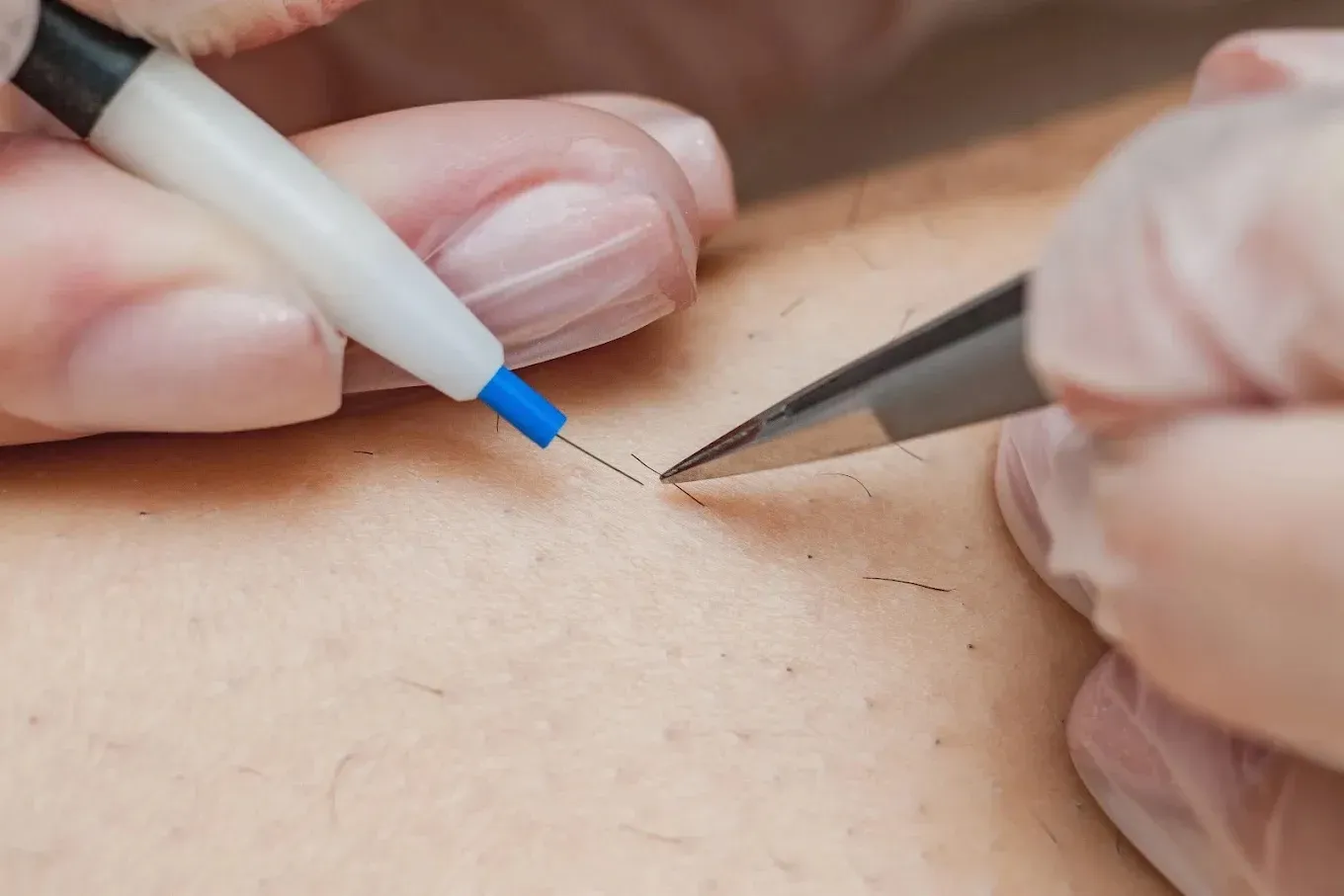
Electrolysis can precisely treat many body areas, including the face, body regions, and genital areas when indicated. Providers tailor sessions to the target area and client goals.
- Facial Hair: Many transgender individuals choose electrolysis for facial hair removal to achieve a more feminine appearance.
- Body Hair: Electrolysis removes unwanted body hair for smoother, more comfortable results.
- Genital Areas: Genital electrolysis is an option for those preparing for gender-affirming procedures or seeking permanent hair reduction in sensitive areas.
Cost Considerations
Costs depend on area and session length. Typical ranges: $30–$150 per facial session, $50–$250 per body session, and $100–$400 per genital session. While upfront costs can add up, permanent results often provide long-term value.
For detailed pricing, Moon Electrolysis lists session rates and consultation options to help with planning.
| Service | Price Range | Session Duration |
|---|---|---|
| Facial Electrolysis | $30 – $150 | 15 – 60 minutes |
| Body Electrolysis | $50 – $250 | 30 – 60 minutes |
| Genital Electrolysis | $100 – $400 | 30 – 60 minutes |
This table summarises common electrolysis services, their typical price ranges, and expected session durations for each treatment area.
Booking and Consultation Process
Scheduling a consultation is straightforward: book online or by phone. Consultations cover goals, treatment options, timing, and concerns. Moon Electrolysis offers free consultations so individuals can explore options without commitment. The initial visit establishes a personalised treatment plan based on your needs.
Electrolysis is an established, permanent hair removal option suited to many transgender clients. Understanding the procedure and expected outcomes helps you make informed decisions; scheduling a consultation is the recommended next step.
Frequently Asked Questions
What should I expect during my first electrolysis session?
Your first session includes a consultation and assessment of goals. The procedure inserts a fine probe into the follicle and applies a controlled electrical current. Sessions commonly last 15–60 minutes. Some discomfort is possible; topical anaesthetics or other measures may be offered.
How many sessions of electrolysis will I need?
Session counts vary by hair growth patterns, treatment area, and goals. Sessions are usually spaced every 1–8 weeks. Many clients need multiple sessions—often dozens—to achieve complete removal. Your technician will give a personalised estimate during consultation.
Is electrolysis safe for all skin types?
Electrolysis is considered safe for all skin types and hair colours. It targets individual follicles while sparing surrounding skin. A qualified technician evaluates skin and hair type to choose the safest, most effective approach and minimise side effects.
Can electrolysis be performed on sensitive areas?
Yes. Electrolysis can treat sensitive areas, including the face and genitals. Technicians are trained to manage sensitive skin and to use pain-management techniques. Share any concerns during consultation so the provider can adjust the approach.
What are the potential side effects of electrolysis?
Short-term effects may include redness, mild swelling, and temporary discomfort; these usually resolve within days. Rare complications can include scarring or pigmentation changes. Following post-treatment care and discussing risks with your technician reduces the chance of problems.
How does electrolysis compare to other hair removal methods?
Electrolysis is the only FDA-approved permanent hair removal method. Temporary options like shaving or waxing do not prevent regrowth. Laser hair removal can be effective for some people but may be limited by hair colour or type; electrolysis works on all hair types.
What should I do to prepare for my electrolysis appointment?
Avoid sun exposure and tanning for at least 48 hours. Do not wax or pluck for at least two weeks prior. Arrive with clean, lotion-free skin. Inform your technician about medications or skin conditions so they can tailor the treatment plan.
Conclusion
Electrolysis offers a permanent, reliable solution for unwanted hair and can provide meaningful benefits for transgender individuals seeking greater comfort and self-esteem. Understanding the procedure, its effectiveness, and practical considerations will help you make an informed choice. Book a consultation to start planning a personalised treatment path toward lasting hair reduction.