Electrolysis Hair Removal for Dark Skin: Understanding Safety and Effectiveness

Electrolysis is a permanent hair removal technique that uses electrical current to destroy individual hair follicles. It is especially relevant for people with darker skin because it does not rely on skin pigment, avoiding the pigment‑related risks of some other methods. This article reviews the safety and efficacy of electrolysis for darker skin tones, addresses common concerns, and describes the treatment process. Many people with darker skin face limitations with pigment‑dependent techniques; electrolysis offers reliable, long‑lasting results with minimal side effects. We also summarise safety measures, potential reactions, comparisons with laser hair removal, and professional services in New York City, including how Moon Electrolysis serves diverse clients.
Why Is Electrolysis Considered a Safe Hair Removal Method for Dark Skin?
Electrolysis is considered safe for darker skin because it targets individual follicles rather than depending on skin pigment. The procedure is FDA‑approved for permanent hair removal and adheres to established safety standards. Unlike some pigment‑targeting methods that risk burns or discolouration, electrolysis reduces those hazards through precise, localised treatment. That precision helps protect surrounding skin, which is particularly important for clients with darker tones who may be more vulnerable to adverse responses.
Further literature highlights that electrolysis’s pigment‑independent mechanism makes it particularly suitable for individuals with dark skin and dark hair.
Electrolysis for Black Hair on Dark Skin: Pigment-Independent Removal
Effective on black hair against dark skin and on red hair because the method does not rely on pigment contrast between hair and skin.
Hair removal: A summary of techniques with a particular emphasis on the importance and versatility of electrolysis, 2015
What Makes Electrolysis Suitable for All Skin Types Including Dark Skin?
Electrolysis treats individual follicles, making it effective across all skin tones and hair types. It can address a wide range of hair colours and textures, including fine or light hair that lasers may not reliably remove, and it achieves permanence by destroying the follicle. Equipment and protocols can be customised to a client’s specific skin and hair characteristics to reduce irritation and improve outcomes.
How Do Certified Professionals Ensure Safety During Electrolysis Treatments?
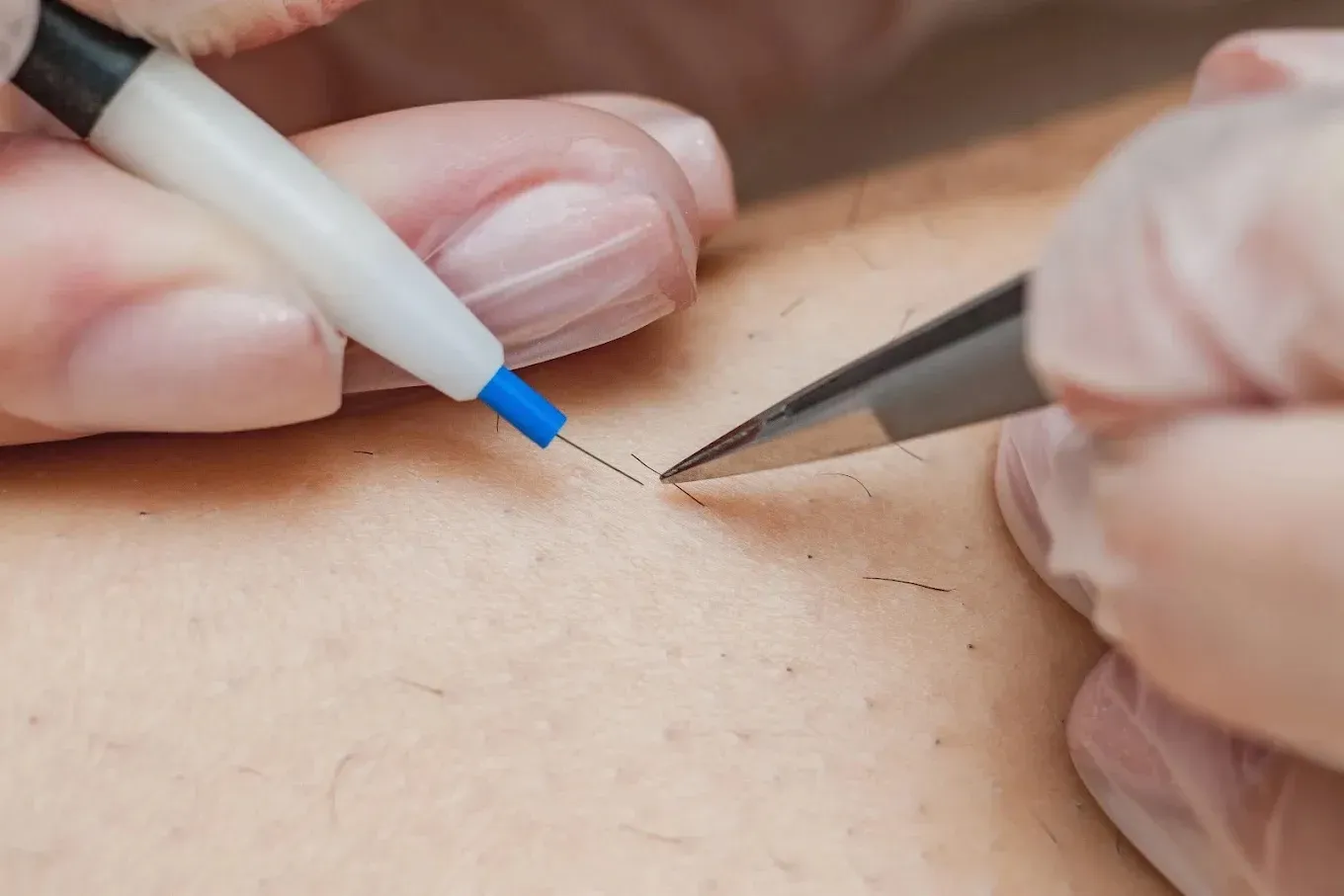
Certified practitioners maintain safety through strict sterilisation standards and a controlled clinical setting. They use advanced, calibrated equipment to ensure treatment accuracy and to reduce discomfort. Each client receives an assessment of skin type and hair characteristics so settings and treatment intervals can be tailored. This professional approach improves efficacy while minimising risk.
What Are the Common Side Effects of Electrolysis on Dark Skin and How Are They Managed?
Electrolysis is generally safe, though temporary side effects can occur. Common reactions include short‑term redness and swelling at the treated site. Recognising these normal responses and following recommended aftercare reduces discomfort and supports timely healing. Appropriate post‑treatment care helps clients achieve optimal results.
Which Side Effects Are Most Frequent in Electrolysis for Dark Skin?
Short‑term redness and swelling are the most common effects and usually resolve within hours. Some clients report tenderness at the treatment site; cold compresses and standard aftercare typically provide relief. Changes in pigmentation or scarring are uncommon when the procedure is performed by a certified professional following proper protocols.
Although uncommon with professional care, post‑inflammatory hyperpigmentation can occur in individuals with dark skin, which underscores the need for careful aftercare and monitoring.
Electrolysis Safety: Managing Hyperpigmentation in Dark Skin
Electrolysis can produce permanent hair removal. Shaving one to five days before treatment may improve efficacy. Post‑inflammatory hyperpigmentation is observed more commonly in persons with dark skin.
Electrolysis: observations from 13 years and 140,000 hours of experience, 1995
What Aftercare Practices Minimize Side Effects and Promote Healing?

To minimise side effects and support healing after electrolysis, clients should follow clear aftercare recommendations. These measures reduce irritation and protect treated skin while it recovers. Common aftercare steps are listed below.
- Avoiding Sun Exposure: Protecting the treated area from direct sunlight helps prevent pigmentation changes.
- Keeping the Area Clean and Moisturized: Gentle cleansing and moisturising can aid in the healing process and reduce irritation.
- Monitoring for Unusual Reactions: Clients should be vigilant for any signs of infection or prolonged discomfort and consult their professional if concerns arise.
Adhering to these aftercare practices supports a smooth recovery and helps to maximise the long‑term benefits of electrolysis treatments.
How Does Electrolysis Compare to Laser Hair Removal for Dark Skin?
Electrolysis and laser hair removal differ in mechanism and suitability. Electrolysis treats individual follicles and remains effective irrespective of skin tone or hair colour. Lasers target pigment and can be less appropriate for darker skin, increasing the risk of adverse effects. Because electrolysis destroys the follicle, it delivers permanent results and is often the preferred option for clients seeking lasting hair removal without pigment‑related risks.
What Are the Effectiveness Differences Between Electrolysis and Laser for Dark Skin?
Electrolysis can remove all hair colours and addresses fine or light hair that laser treatments may not reliably treat. By destroying the follicle, electrolysis prevents regrowth and achieves permanent removal. Laser treatments often require multiple sessions and can be less definitive for some darker skin tones.
Clinical evidence further supports electrolysis’s stronger efficacy for permanent hair removal across varied skin types, particularly where laser treatments may be less suitable or pose additional risks.
Electrolysis vs. Laser for Permanent Hair Removal Across All Skin Types
Electrolysis has shown superior efficacy for permanent hair removal, especially in hormonally sensitive facial areas across all skin types. Laser treatment in some clients with polycystic ovary syndrome has been reported to cause paradoxical hair growth. Although electrolysis often requires more sessions, it can provide a more reliable, cost‑effective and permanent outcome.
Clinical efficacy of Electrolysis and Laser Hair Removal in PCOS patients, 2025
Additional studies support electrolysis’s superior efficacy for permanent hair removal across skin types, particularly where laser treatment may be less effective.
Electrolysis: Superior Permanent Hair Removal for All Skin Types
Electrolysis has demonstrated superior efficacy for permanent hair removal, notably in hormonally sensitive facial areas across all skin types. Laser hair removal in clients with polycystic ovary syndrome was reported to cause paradoxical hair growth (paradoxical hypertrichosis). Although electrolysis often requires more treatment sessions, it ultimately provided a more reliable, cost‑effective, and permanent solution.
Clinical efficacy of Electrolysis and Laser Hair Removal in PCOS patients, 2025
Why Is Electrolysis Preferred Over Laser for Certain Dark Skin Types?
Electrolysis is preferred for some darker skin types because it does not rely on pigment contrast, thereby reducing the risk of burns or discolouration associated with certain laser protocols. It is suitable for all hair types and provides consistent results regardless of specific hair characteristics. For clients seeking permanent removal without pigment‑related risk, electrolysis is a dependable option.
What Professional Electrolysis Services Are Available in New York City for Dark Skin?
New York City has multiple professional electrolysis providers that adapt protocols for darker skin tones. These practices offer specialised treatments designed to meet diverse skin and hair needs while maintaining safety and efficacy. One example is Moon Electrolysis, which develops personalised treatment plans that account for individual skin types and hair characteristics.
How Does Moon Electrolysis Cater to Diverse Clients Including Transgender Individuals?
Moon Electrolysis operates an inclusive, professional practice and welcomes all clients, including transgender individuals. The clinic provides personalised consultations to assess each client’s needs and preferences, and tailors treatments accordingly. This approach creates a supportive environment where clients can discuss goals and concerns openly.
What Certifications and Technologies Ensure High-Quality Electrolysis in NYC?
Moon Electrolysis employs trained, certified practitioners who follow recognised standards and association guidelines. The clinic uses advanced electrolysis equipment, calibrated for precision and client comfort. These certifications and technologies underpin high‑quality care throughout the hair removal process.
How Can Clients Prepare for and Maintain Electrolysis Treatments on Dark Skin?
Appropriate preparation improves safety and outcomes, especially for clients with darker skin. Following recommended pre‑treatment protocols ensures the skin is in the best condition for electrolysis. Consistent post‑treatment care is also essential for long‑term success.
What Are the Recommended Pre-Treatment Safety Protocols?
Before electrolysis, clients should observe the following pre‑treatment safety protocols to reduce risk and optimise results:
- Avoiding Sun Exposure: Limiting sun exposure before treatment helps reduce the risk of skin irritation.
- No Waxing or Plucking: Clients should refrain from waxing or plucking hair for at least four weeks prior to treatment to ensure hair follicles are intact.
- Keep Skin Healthy and Hydrated: Maintaining skin health through hydration and proper skincare can enhance treatment effectiveness.
Adhering to these protocols prepares the skin and contributes to a smoother, safer treatment experience.
Which Maintenance Steps Support Long-Term Hair Removal Success?
After completing electrolysis, clients should follow maintenance steps to support long‑term success. These measures preserve skin health and protect treatment outcomes.
- Gentle Skincare Routine: Using mild cleansers and moisturizers helps maintain skin health.
- Regular Sun Protection: Applying sunscreen to the treated area prevents pigmentation changes and protects healing skin.
- Follow-Up Appointments: Scheduling follow-up appointments with a certified professional ensures that clients stay on track with their hair removal goals.
Consistent maintenance helps clients preserve skin integrity and sustain long‑term hair removal results.
Frequently Asked Questions
What is the ideal skin type for electrolysis treatment?
Electrolysis is appropriate for all skin types, including darker tones. Its effectiveness comes from targeting individual hair follicles rather than relying on skin pigment, which makes it a safe choice for those with darker skin. Unlike some laser protocols that pose higher risks for darker skin, electrolysis offers a consistent solution for permanent hair removal across various skin and hair types.
How does electrolysis affect hair regrowth over time?
Electrolysis permanently destroys treated hair follicles, preventing regrowth in those areas. Each session targets hairs in the active growth phase, so multiple treatments are needed to address all hair cycles. Over time, clients typically observe a significant reduction in hair density and thickness, leading to smoother skin. Regular follow‑up sessions ensure any remaining hairs are treated and support long‑term success.
What should clients do if they experience unusual side effects after treatment?
If clients observe unusual side effects — such as prolonged redness, significant swelling, or signs of infection — they should contact their electrolysis practitioner promptly. Following the provided aftercare instructions helps minimise risks. Most side effects are temporary and manageable, but persistent or severe reactions require professional assessment and intervention.
Can electrolysis be combined with other hair removal methods?
Yes. Electrolysis can be combined with other hair removal methods, including shaving or waxing, provided clients follow specific guidelines. Waxing or plucking should be avoided for at least four weeks before starting electrolysis so follicles remain intact. After completing electrolysis, other methods may be used for remaining hair, but clients should consult a professional to determine the safest, most effective approach for their needs.
What factors influence the cost of electrolysis treatments?
Cost varies by several factors, including the treatment area, hair density, and the number of sessions required. Larger areas or areas with denser hair typically require longer sessions and so incur higher costs. The practitioner’s experience and qualifications also influence pricing. Clients should discuss their specific needs during consultation to obtain a clear estimate for their treatment plan.
How can clients ensure they choose a qualified electrolysis professional?
Clients should seek practitioners who are certified and trained by recognised institutions. Reviewing client testimonials and ratings provides insight into experience and satisfaction. A consultation allows assessment of the practitioner’s knowledge and approach. Confirming that the clinic follows safety protocols and uses up‑to‑date equipment is essential for a successful electrolysis experience.
Is electrolysis painful, and how is discomfort managed during the procedure?
Electrolysis can produce mild discomfort, often described as a tingling or pinching sensation. Certified practitioners employ techniques to minimise pain, including topical anaesthetics and appropriate equipment settings. Treatments occur in a controlled clinical environment where clients can communicate their comfort. Many clients find the sensation manageable given the permanence of the results.
How long does each electrolysis session typically last?
Session length depends on the treatment area and the amount of hair being removed. Typical sessions range from 15 to 60 minutes. Smaller areas, such as the upper lip, require less time, while larger areas may take longer. Clients should consult their practitioner to determine an appropriate session duration for their needs.
How many electrolysis sessions are usually required for permanent hair removal?
The number of sessions required varies with hair density, growth cycles, and the treatment area. On average, clients may need approximately 15 to 30 sessions to achieve optimal results. Multiple sessions are necessary because hair grows in cycles. A consultation with a certified professional will provide a personalised estimate.
Can electrolysis be performed on sensitive areas, such as the face or bikini line?
Yes. Electrolysis is safe and effective for sensitive areas, including the face and bikini line. Certified practitioners are trained to manage delicate skin and can modify techniques to ensure comfort and safety. The precision of electrolysis permits targeted treatment without harming surrounding tissue. Clients should discuss any sensitivity concerns during consultation to receive tailored care.
What should clients expect during their first electrolysis appointment?
The first appointment begins with a detailed consultation in which the practitioner assesses skin type, hair characteristics, and treatment goals. The procedure, likely side effects, and aftercare instructions are explained. An initial test treatment may be performed to evaluate skin response and tolerability. Clients are encouraged to ask questions to ensure they are fully informed.
Are there any contraindications for electrolysis treatment?
Although electrolysis suits most clients, certain contraindications exist. These may include active skin conditions such as eczema or psoriasis, recent use of specific medications, or health issues that affect skin sensitivity. Clients must disclose their medical history and current medications during consultation. A certified professional will evaluate these factors and determine whether electrolysis is appropriate.
Conclusion
Electrolysis is a safe and effective option for permanent hair removal for people with dark skin. By targeting follicles directly rather than relying on skin pigment, the method delivers lasting results across a range of hair types. Following recommended preparation and aftercare, and working with certified professionals, improves outcomes and reduces risk. Learn how Moon Electrolysis can support your hair removal goals.
Conclusion
Electrolysis provides a reliable and safe solution for permanent hair removal, particularly for those with dark skin. By targeting hair follicles without depending on skin pigment, it yields lasting results across various hair types. Proper preparation, diligent aftercare, and the expertise of certified practitioners significantly enhance treatment outcomes. Explore how Moon Electrolysis can assist you in achieving your hair removal objectives.