Permanent Hair Removal NYC: Understanding Transgender Electrolysis Hair Removal Benefits Explained

Transgender individuals often face specific challenges when pursuing permanent hair removal. Electrolysis is a recognised option for lasting results that addresses aesthetic goals and emotional well-being. This article summarises electrolysis for transgender clients: how it works, its safety profile, key benefits, and what to expect when preparing for treatment.
Permanent hair reduction is increasingly recognised as an important element of gender-affirming medical care for transgender individuals.
Electrolysis for Permanent Transgender Hair Reduction
Permanent hair reduction is an integral part of gender-affirming medical care, especially for transgender individuals. This review discusses the effectiveness of laser hair removal (LHR) and electrolysis for permanent hair reduction in transgender individuals.
A review of best practices for gender-affirming laser hair removal, 2024
Effectiveness
Electrolysis disables individual hair follicles with a controlled electric current to prevent regrowth. It is effective across hair types and skin tones and can be customised by treatment area and client goals to produce permanent reduction over multiple sessions.
Safety
Electrolysis is FDA-recognised when performed by trained professionals following clinical protocols. Treatments are provided in controlled settings to minimise complications and maximise client comfort.
Emotional Well-Being
Many transgender clients report reduced gender dysphoria, improved self-esteem, and greater confidence after electrolysis. Achieving a look that aligns with identity often supports mental well‑being and everyday comfort.
Research documents positive mental-health outcomes associated with gender-affirming hair removal, including electrolysis.
Electrolysis Improves Transgender Mental Health
the mental health burdens of transgender and gender-diverse (TGD) populations. Gender-affirming hair removal (GAHR) procedures, including electrolysis and laser hair removal, are
Association between gender-affirming hair removal and mental health outcomes, AN Almazan, 2021
Specialized Services
Clinics serving transgender clients often offer personalised consultations, flexible scheduling, and staff trained in sensitive care. These practices help set clear goals and produce treatment plans tuned to each client’s needs.
What Is Electrolysis and How Does It Provide Permanent Hair Removal?
Electrolysis permanently removes hair by applying a small probe and electric current to each follicle, destroying its ability to regrow hair. It works for all hair types and skin tones and is a reliable option when lasting removal is required.
Benefits of Electrolysis for Transgender Clients
Electrolysis offers direct, lasting benefits for transgender people seeking permanent hair removal:
- Permanent Results: A long-term solution that eliminates frequent temporary hair removal.
- Inclusivity: Effective on all skin tones and hair colours.
- Support for Gender Affirmation: Helps align appearance with gender identity.
A consultation will clarify expectations and the likely course of treatment.
The Electrolysis Process
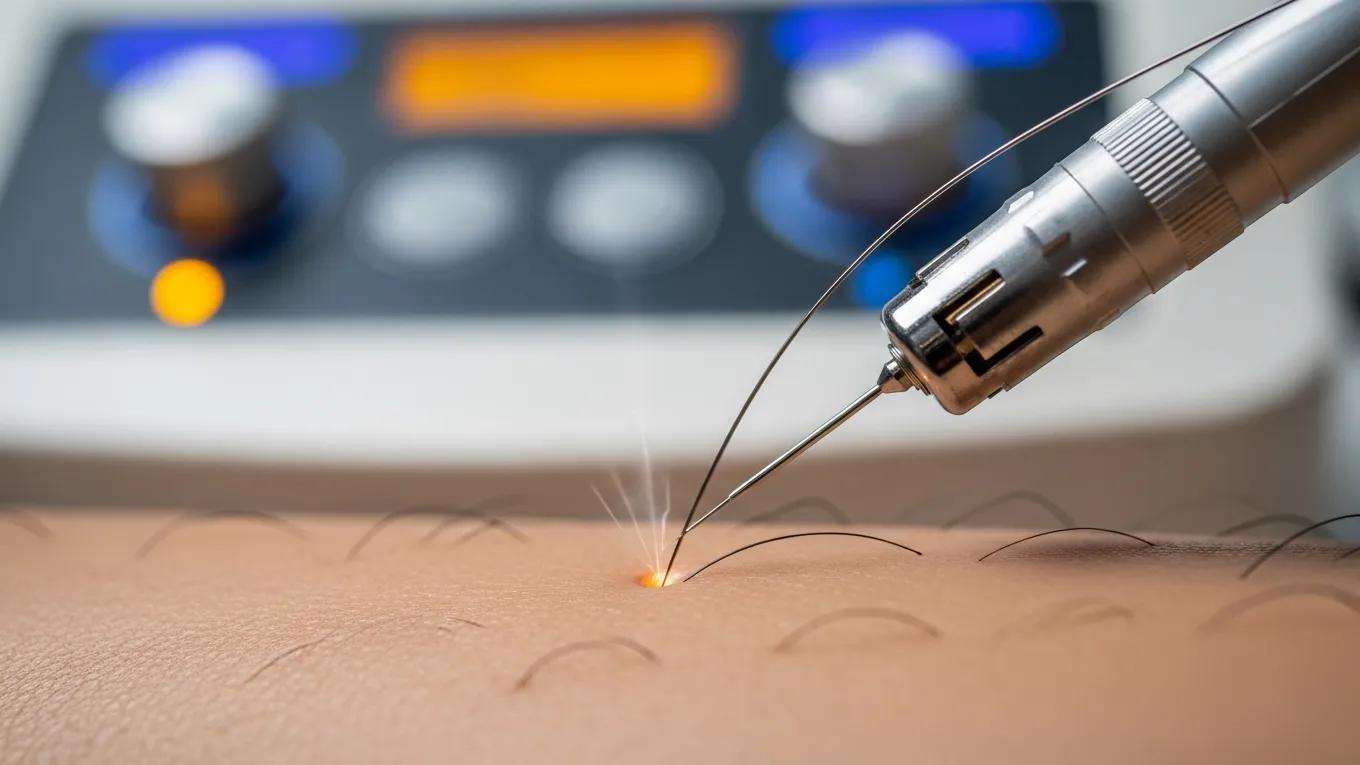
Treatment begins with an assessment and a tailored plan. During sessions a fine probe is inserted into each follicle and a controlled current is applied; sessions typically last 15–60 minutes. Multiple sessions, scheduled to match hair growth cycles, are required for complete removal.
Supporting Gender Affirmation and Personal Comfort

Electrolysis can meaningfully reduce dysphoria by helping clients achieve a facial or body appearance that better matches their identity. This practical change often increases confidence and daily comfort.
Evidence highlights electrolysis’ role in gender-affirming care, particularly for transfeminine facial affirmation.
Electrolysis for Transfeminine Facial Affirmation
needed for transgender affirmation. Acknowledges use of neurotoxin for masseter reduction. with transfeminine patients receiving electrolysis hair removal more than laser hair removal.
Nonsurgical Interventions for Gender-Affirming Facial Feminization: A Scoping Review, 2025
Why Is Electrolysis Considered the Best Option for Permanent Hair Removal?
Electrolysis is widely regarded as the best permanent option because it disables follicles regardless of colour or skin tone and has a well-documented safety record when provided by trained practitioners. It avoids repeated temporary methods and can lower long-term costs.
What Are the Specific Benefits of Electrolysis for Transgender Hair Removal?
Specific benefits include:
- Permanent Hair Removal: Lasting reduction without ongoing temporary upkeep.
- Reduction of Gender Dysphoria: Aligns appearance with identity to ease distress.
- Boost in Self-Esteem: Improved confidence and quality of life.
These outcomes support transgender clients’ broader transition goals.
How Does Electrolysis Support Gender Affirmation and Personal Comfort?
By removing unwanted hair permanently, electrolysis helps clients present in a way that reflects their gender identity, which frequently reduces dysphoria and enhances comfort in social and personal settings.
What Safety Measures and Expertise Ensure Effective Treatment?
Effective treatment depends on trained practitioners, strict clinical protocols, and sanitary environments. Ongoing education and adherence to standards help maintain high-quality care and minimise risk.
How Can Clients Prepare for and Care After Transgender Electrolysis Treatments?
Simple preparation and aftercare help reduce risk and promote healing:
- Pre-Treatment Guidelines: Avoid excessive sun exposure and discuss medications that affect skin sensitivity.
- Post-Treatment Care: Follow aftercare instructions—avoid hot showers briefly and use soothing creams as recommended.
- Recommended Products: Gentle skincare supports healing; ask your practitioner for product suggestions.
Following these steps supports a safe and comfortable experience.
How to Access the Best Electrolysis Clinics in NYC for Transgender Hair Removal?
Search for clinics with experience in transgender care, clear treatment plans, and positive client feedback. Prioritise providers who offer personalised consultations and demonstrate cultural competence.
- Recommended Clinics: Look for positive reviews and transgender client testimonials.
- Service Offerings: Ensure personalised consultations and tailored plans are available.
- Key Factors to Consider: Verify practitioner qualifications and experience.
For more information on finding the right provider, visit Moon Electrolysis to review services and clinical approach.
What Should You Look for When Choosing a Transgender Electrolysis Clinic?
Evaluate clinical qualifications, experience with transgender clients, and patient feedback. These factors indicate the quality of care and the clinic’s ability to meet your needs.
- Qualifications and Experience: Seek practitioners with electrolysis training and transgender care experience.
- Personalized Treatment Plans: Confirm the clinic tailors approaches to individual needs.
- Client Reviews: Read feedback to understand others’ experiences.
Assessing these items will help you choose a reliable provider.
How to Schedule a Free Consultation and What to Expect?
Schedule a consultation to discuss goals, review medical history, and ask about outcomes and aftercare. The meeting helps you evaluate the practitioner’s approach and confirm fit.
To begin your care, consider scheduling a consultation through Moon Electrolysis for guidance tailored to transgender hair removal.
Frequently Asked Questions
What is the difference between electrolysis and laser hair removal for transgender individuals?
Electrolysis destroys individual follicles with an electric current and works for all hair colours and skin tones. Laser targets pigment and can be less effective on lighter hair or some skin types. For permanent, inclusive results, electrolysis is often preferred.
How many sessions of electrolysis are typically required for complete hair removal?
Sessions vary by area, hair density, and growth cycles; many clients complete treatment after a series of sessions (commonly dozens). A practitioner will provide a personalised estimate during consultation.
Are there any side effects associated with electrolysis treatments?
Mild effects such as temporary redness, swelling, or irritation can occur and usually resolve within hours to days. Selecting a qualified practitioner and following pre‑ and post‑treatment instructions reduces risk.
Can electrolysis be performed on all body areas?
Yes. Electrolysis can treat nearly all body areas, including face, underarms, legs, and bikini line. A professional assessment determines suitability by area.
What should clients expect during their first electrolysis session?
Expect a consultation, treatment of a small test area, and aftercare guidance. You may feel a brief sensation during the procedure; practitioners will advise on comfort and follow-up.
How can clients maintain skin health after electrolysis treatments?
Follow aftercare advice: avoid sun exposure and hot showers for a short period, use soothing creams or aloe vera for irritation, and choose gentle, non‑comedogenic products. Stay hydrated and attend follow-ups as recommended.
Conclusion
Electrolysis offers a permanent hair removal option that can address both physical and emotional needs for transgender clients. It supports gender affirmation, reduces dysphoria for many people, and delivers lasting results when performed by qualified practitioners. To start, schedule a consultation to discuss goals and a personalised treatment plan.